Q.01Is a third rack worth it?
It is worth it if you have a lot of silverware and flat utensils to load. Consumer Reports says third racks appear above a certain price, are shallower than the main racks, and usually hold silverware or flat items such as cooking utensils and pot lids. Moving those out of the basket leaves the lower rack to plates and pots. If your loads are mostly plates and glasses, a third rack buys you little, and you can spend the difference on a quieter machine.
Q.02What dBA counts as a quiet dishwasher?
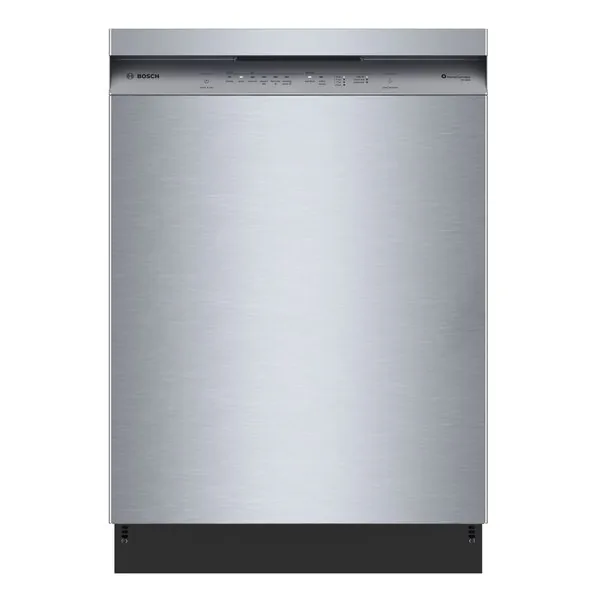
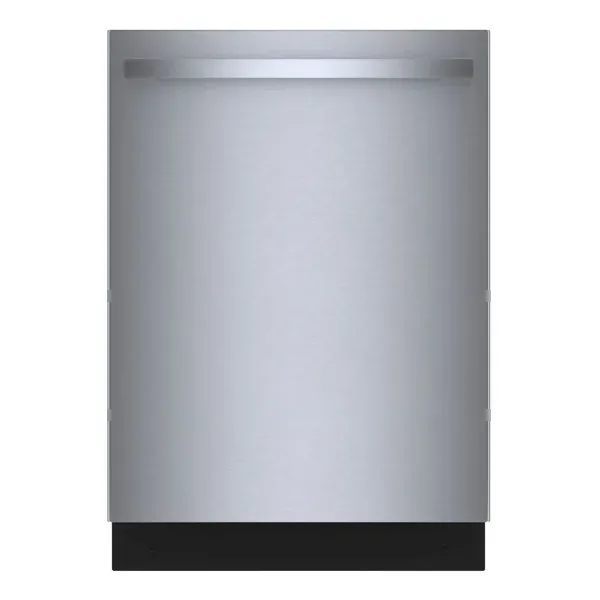
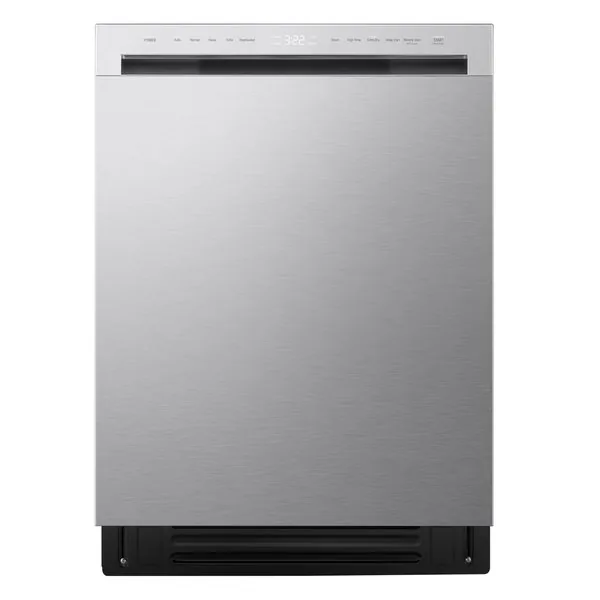
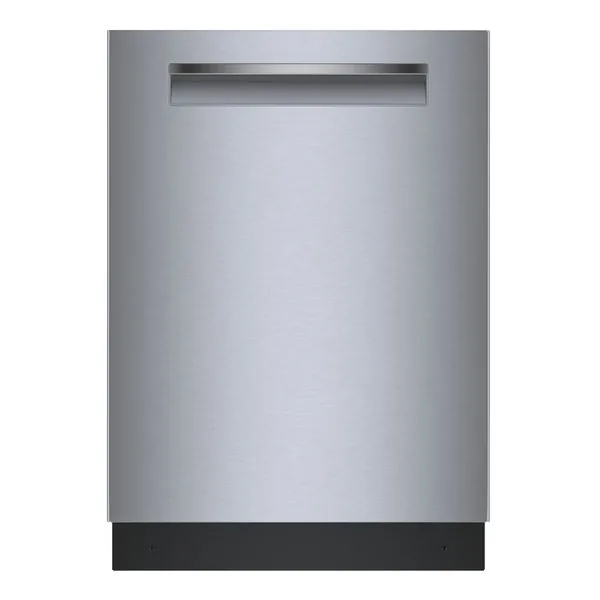
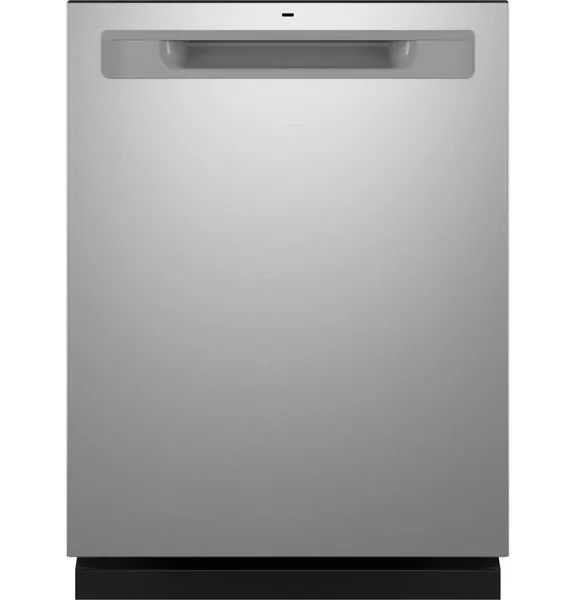
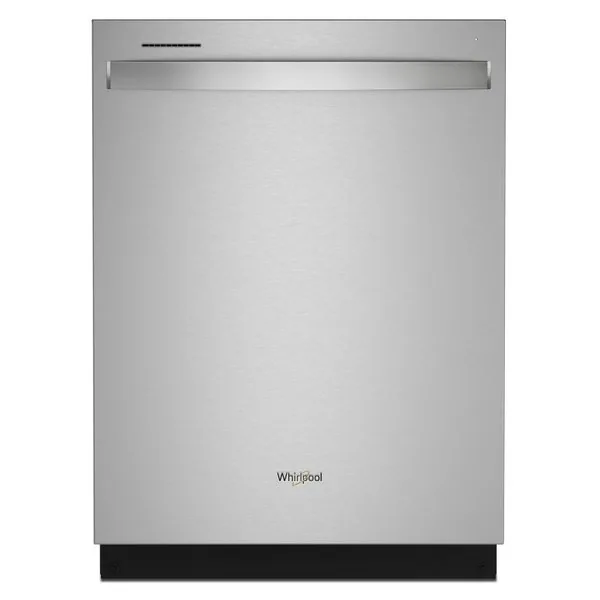
The number is the machine's sound level, and lower is quieter. We use no cutoff, because we found no standard we can cite, so compare the makers' own figures. For our picks, Bosch states 42 dBA for the 800 Series SHX78CM5N, 44 dBA for the 500 Series SHP65DM5N and 50 dBA for the 300 Series SHE3ADF5N. GE states 45 dBA for the GDP670SYVFS, Whirlpool states 47 dBA for the WDT750SAKZ and LG states 50 dBA for the LDNFC33LS. All six are the makers' own figures. Consumer Reports' buying guide says models under $500 tend to be noisier and models from $500 to $1,000 quieter. If the kitchen opens onto a living room, start with the lowest dBA you can afford.
Q.03Why does my dishwasher not dry plastic?
Plastic holds less heat than glass or ceramic, so water stays on it. Consumer Reports says many dishwashers struggle to dry items fully, plastic most of all. Rinse aid helps; Whirlpool says it makes water sheet off instead of bead, and that it is especially helpful for plastics. Makers also sell drying systems: Bosch says its AutoAir dries 40% better than its PureDry system, measured after seven hours, and GE says Dry Boost dries up to 3 times better than its Heated Dry option. Those are the makers' claims, not test results.
Q.04Do I need rinse aid?
Use it if you want fewer spots and drier dishes. Whirlpool says rinse aid helps water sheet off dishes instead of beading, which speeds evaporation, reduces spots and streaks, and costs pennies a cycle. It adds the most for plastics and textured items. Whirlpool also says all-in-one detergent packs may not help drying, because they dissolve in the main wash, before the rinse stage. If your dishes already come out clear and dry, you can skip it.
Q.05Portable or built-in dishwasher?
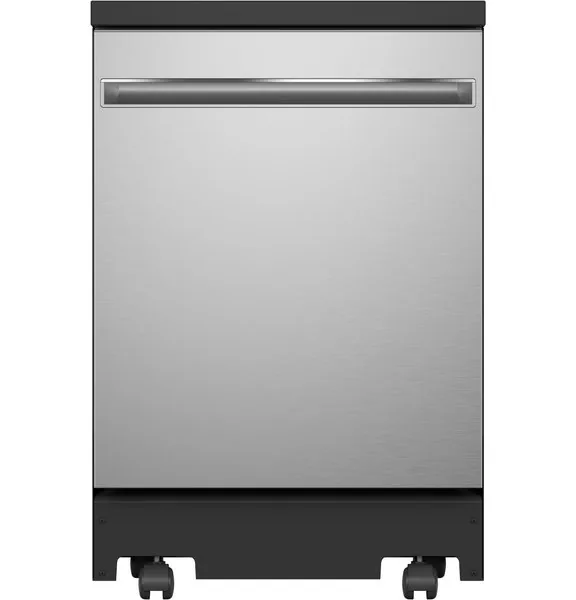
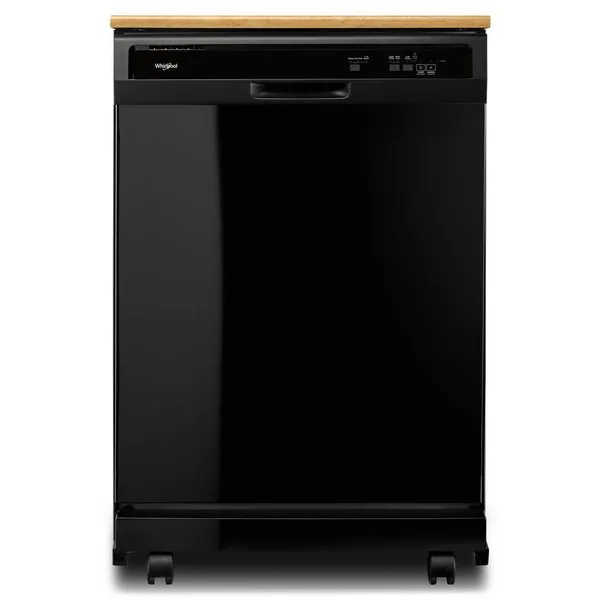
Built-in if you own the home and have a cutout, portable if you rent or have no space cut in. Consumer Reports says most dishwashers are 24 inches wide and 24 inches deep, and that is the size a built-in cutout expects. A portable stands on its own and connects at the kitchen faucet with a hose; retail listings note that the faucet adapter is not always included, so check the listing. We found no independent test of portables, so we compare them only on fit, not on how well they clean.
Q.06Is a countertop dishwasher worth it?
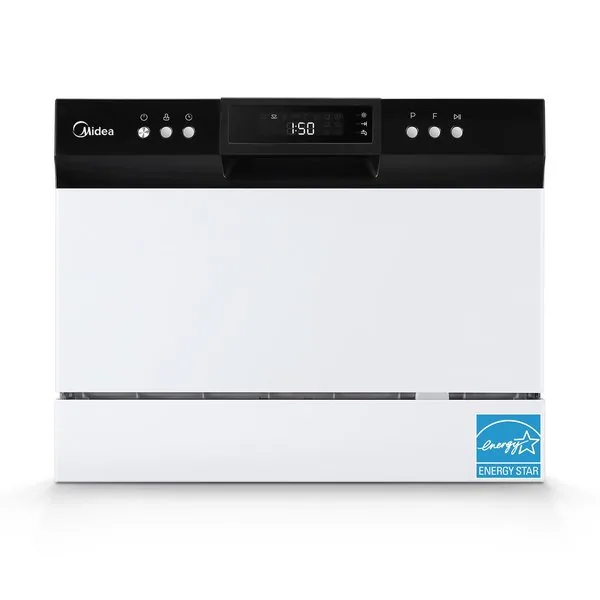
Only for one or two people in a small space with no other option. A countertop model sits on the counter and connects at the faucet for each use. Retail listings typically state a capacity of 4 to 6 place settings, which is the makers' claim rather than a tested figure, and we found no Consumer Reports test of countertop models. If you can fit a portable or a built-in, take it.
Q.07Should I rinse dishes before loading?
No, scrape them and load. ENERGY STAR says rinsing first increases total water and energy use, and that modern certified dishwashers and detergents are built to handle food debris. Consumer Reports testers say pre-rinsing is unnecessary, and its reporting adds that the sensors in many recent machines can be thrown off by pre-cleaned dishes and give a lighter wash. The exception is dried-on food, which you scrape off but need not wash away.
Q.08How long should a dishwasher last?
About a decade. Coverage of a Consumer Reports survey says dishwashers typically last around ten years, and that about 30% of respondents reported a problem within the first five years. That coverage is secondhand, so treat the figures as a guide, not a guarantee. If it stops filling or draining, check the door latch, the filter and the drain path first, which repair sources name as common causes. We give no repair-versus-replace threshold, because we found none we can cite.
Q.09Why are dishwasher cycles so long?
Efficiency rules push cycles longer. ENERGY STAR certification for a standard-size dishwasher caps use at 240 kWh a year and 3.2 gallons a cycle, and a machine that uses less water and heats less has to wash longer to get dishes clean. A heated or condensation dry stage adds time at the end. We found no sourced cycle-length figure, so we give none. Most dishwashers also offer a shorter cycle for lightly soiled loads.
Q.10Will a standard dishwasher fit my kitchen (18 vs 24 inches)?
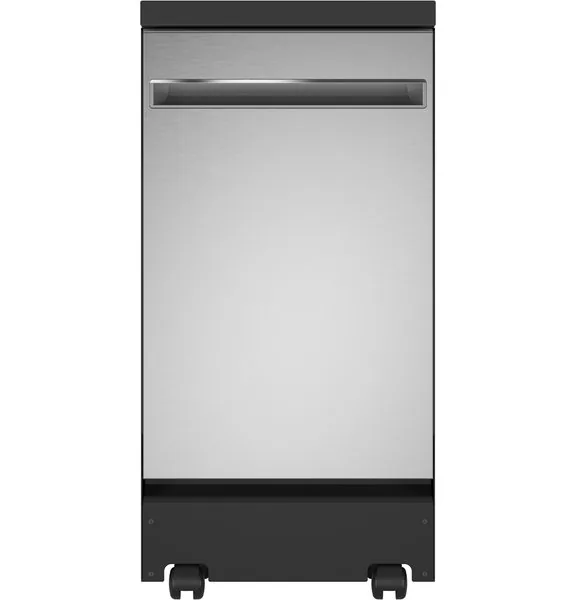
Most dishwashers are 24 inches wide and 24 inches deep, and an 18 inch wide, 24 inch deep model suits a small kitchen, according to Consumer Reports. Measure the width of your cutout before you order, then check the maker's installation sheet for depth and height, since we give no height figure. If your cutout is 24 inches wide, a standard model fits. If it is 18 inches, you need a compact model. Most of our picks are 24 inches wide; the GE GPT145SSLSS is 18 and the Midea MDC22P1AWW sits on the counter.
Q.11Do I need an install kit or a power cord?
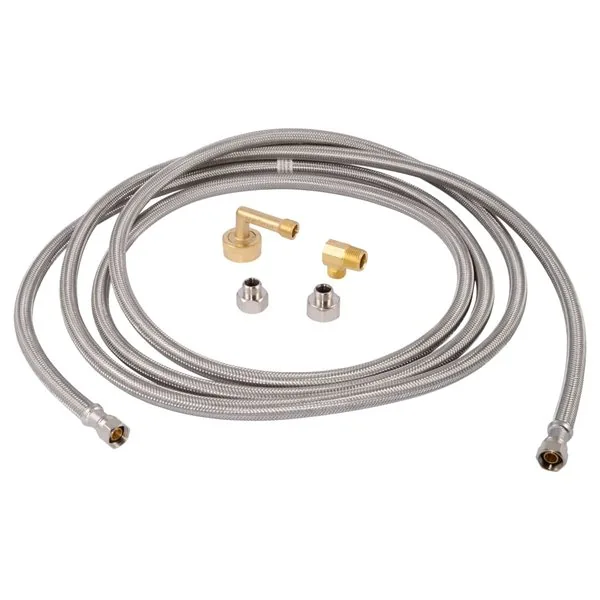
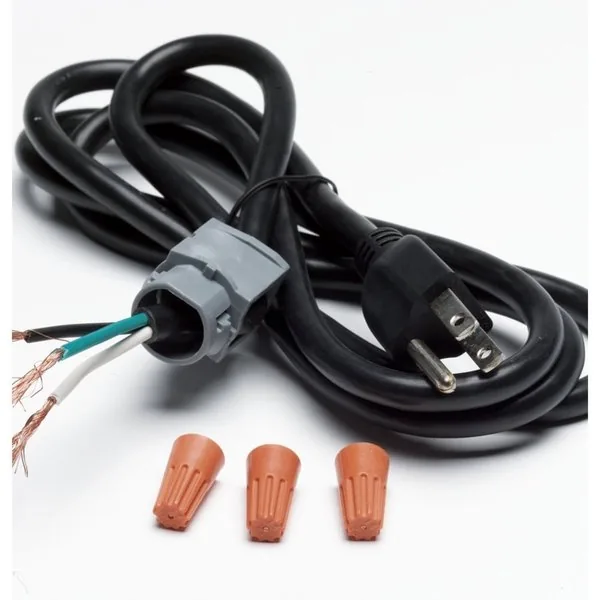
Check what is in the box, because the supply line, the drain hose fittings and the power cord are often sold separately. GE's installation instructions say its built-in dishwashers can use a separately sold power cord kit or be hardwired, with a cord no longer than 6 feet and no extension cords. Check the maker's listing for a cord or junction box kit if yours is hardwired. Our two add-ons cover this: the dishwasher install kit and the 3-prong power cord.