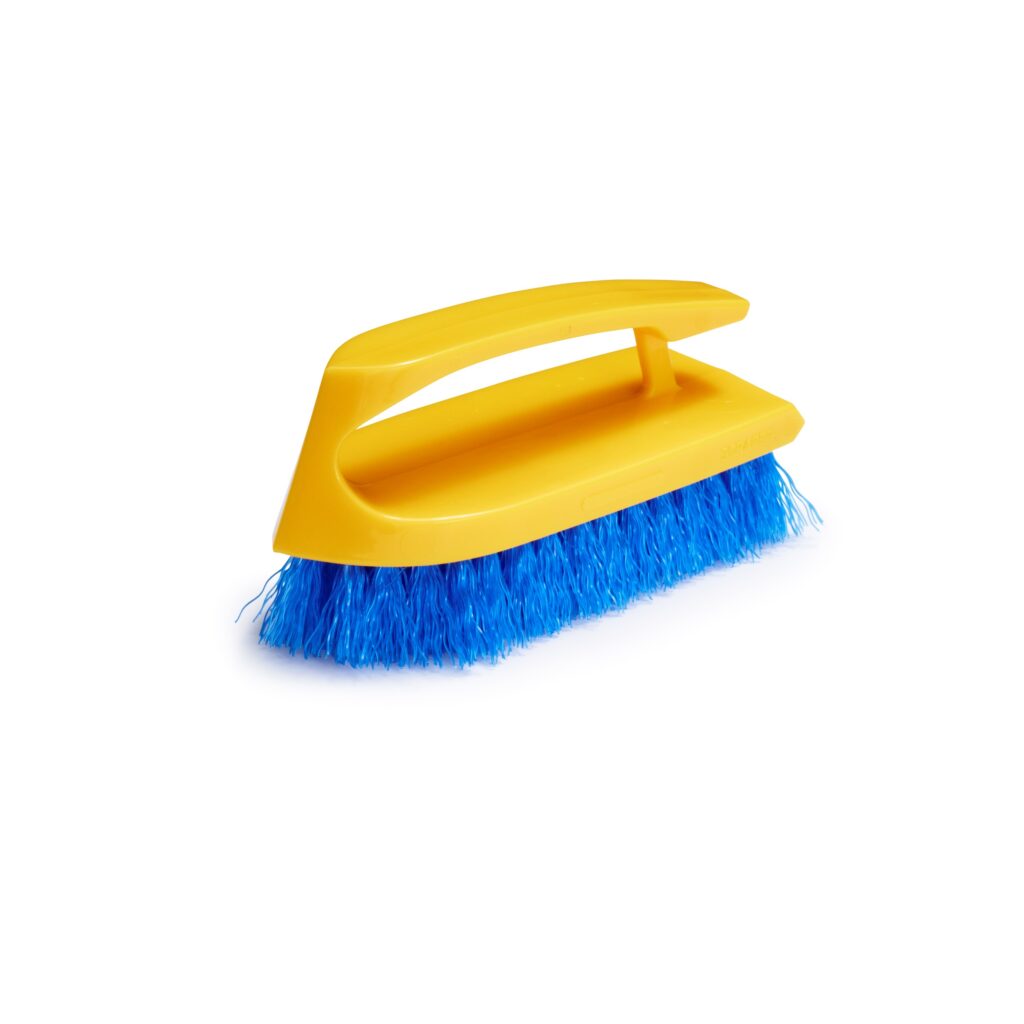
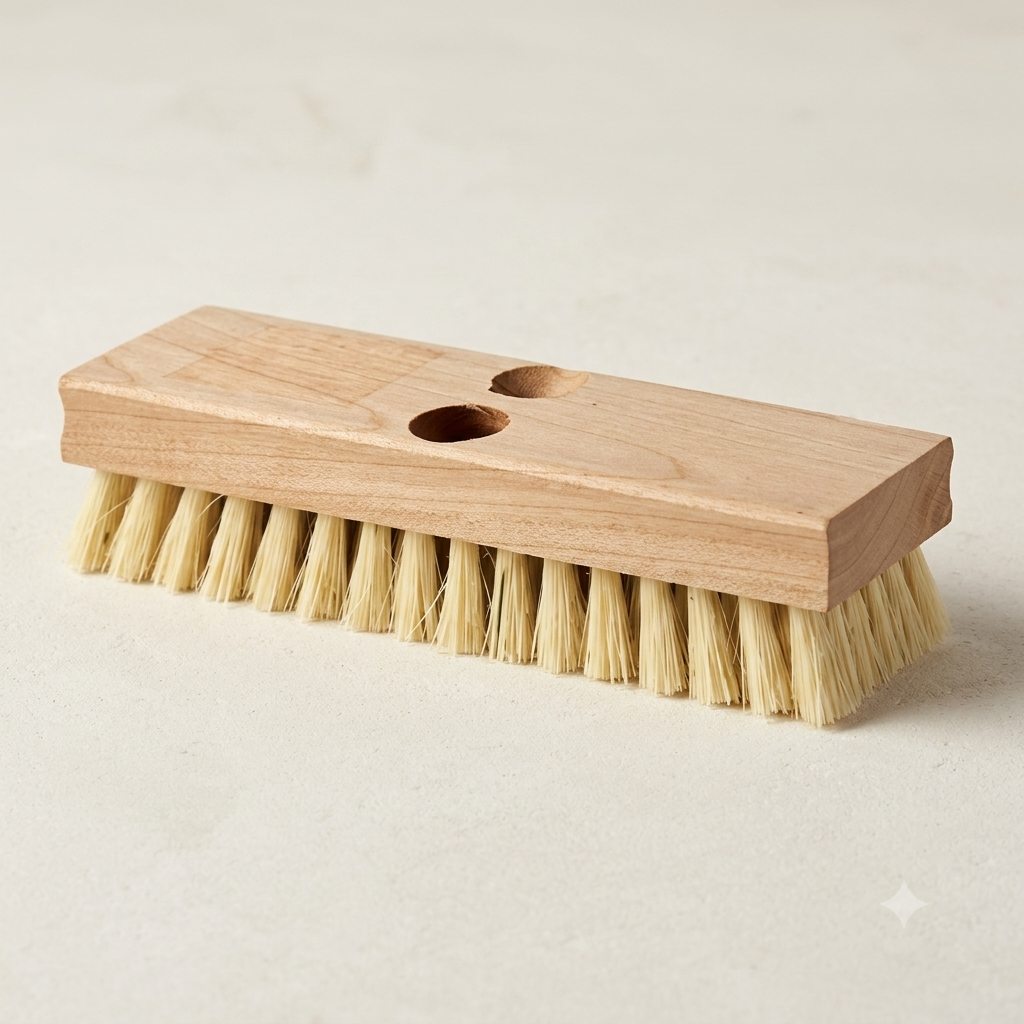
The 23 tools on this page come from @risolvestudio's monthly bathroom deep-clean series on TikTok, and they run as one system in a fixed order: dust, foam, scrub, the alkaline step, the acid step, glass, wood, then the gear itself. The order carries most of the value. Dust with an air scrubber running and the wet cleaning that follows isn't fighting particles out of the air; strip the grime with soap first and by the time the citric acid comes out, its only remaining job is lime.
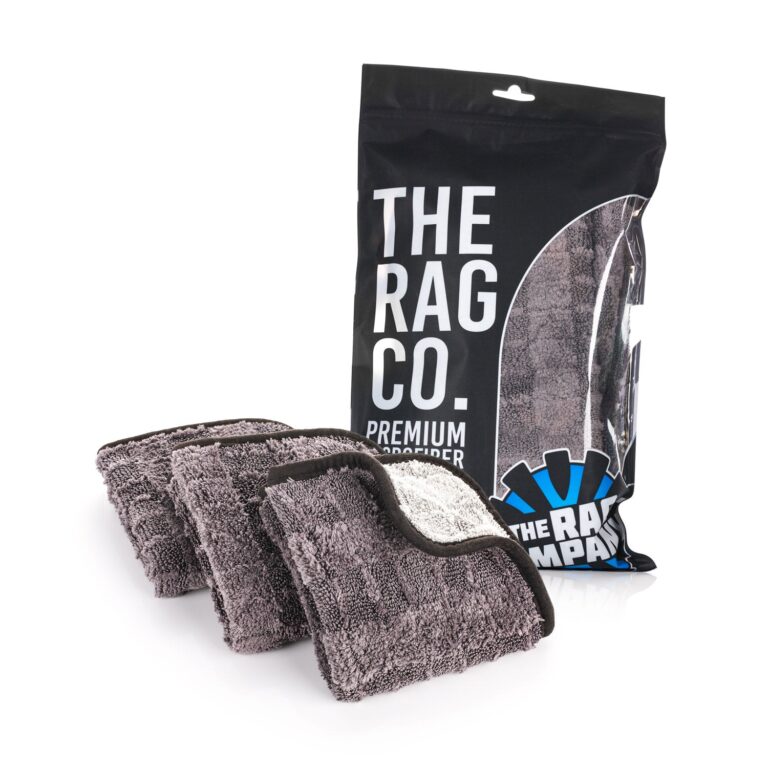
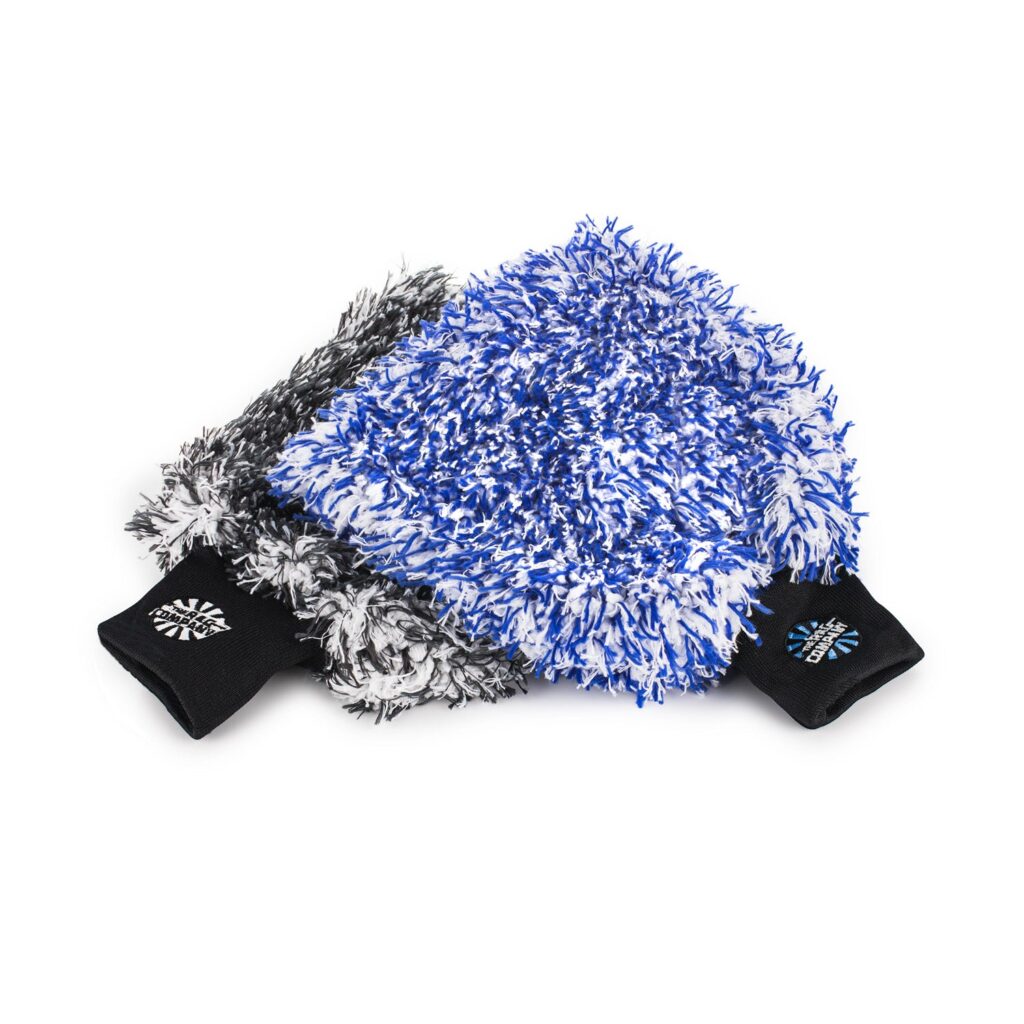
About half of the gear was built for car detailing: the foamer, the spray bottles, the towels, most of the brushes. The logic holds: detailing means wet-cleaning hard, mixed surfaces without scratching them, which is also a fair description of a bathroom. We didn't run a test lab on any of this. We pulled the routine apart step by step and wrote it back down as something you can follow on a Saturday morning.
Key Takeaways
The five things to remember
- 01
Dust first, with the
550 CFM air scrubber running while you work. It pulls loosened dust into a HEPA filter instead of letting it resettle on surfaces you're about to wet.
- 02
The chemistry is two steps for two problems: alkaline sodium percarbonate for grime, grout, and porcelain, then citric acid for lime scale on metal.
- 03
Wood is the exception all the way through: no alcohol near a finish, just a ¼-tsp castile spray and pure beeswax.
- 04
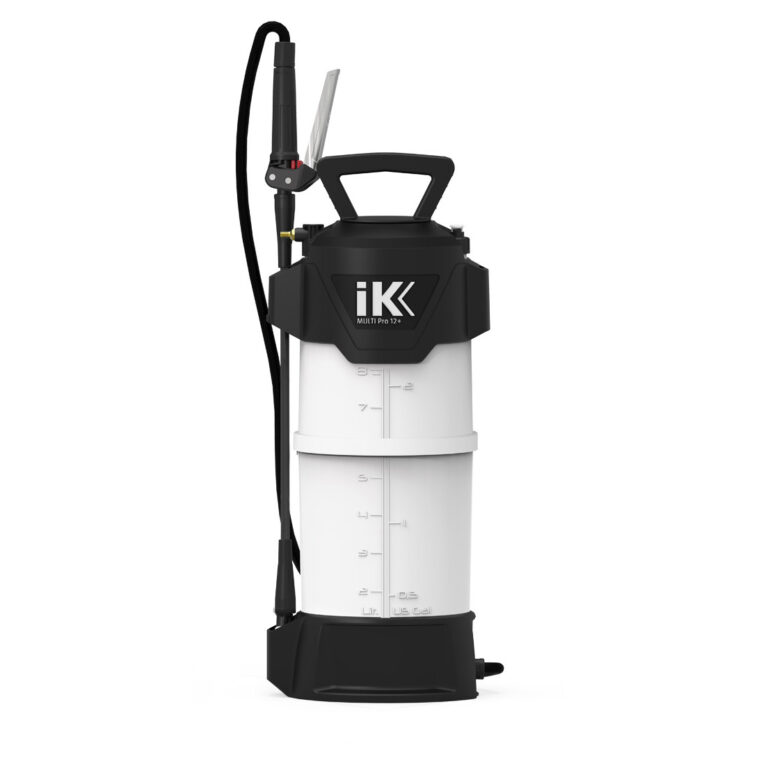
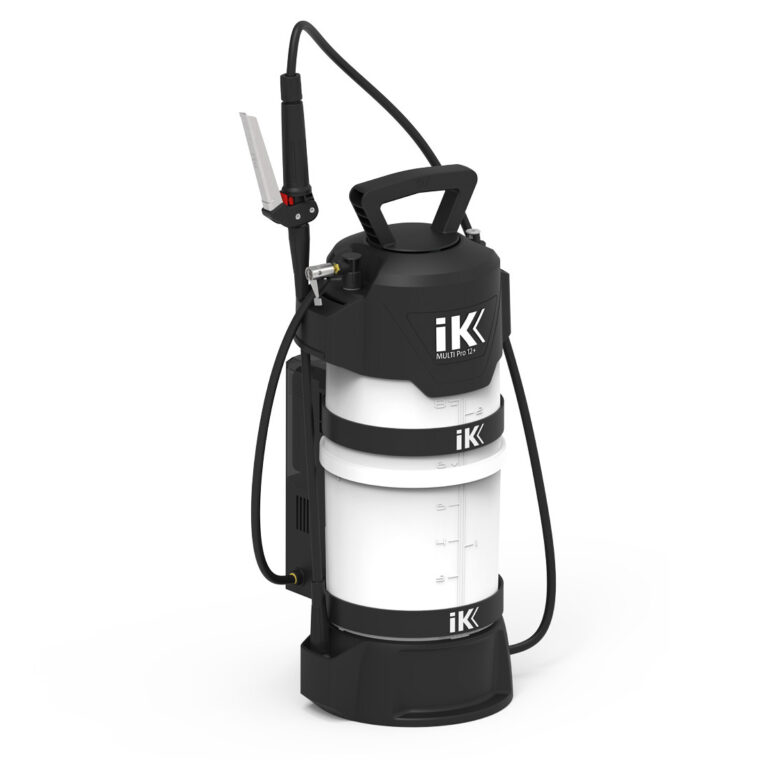
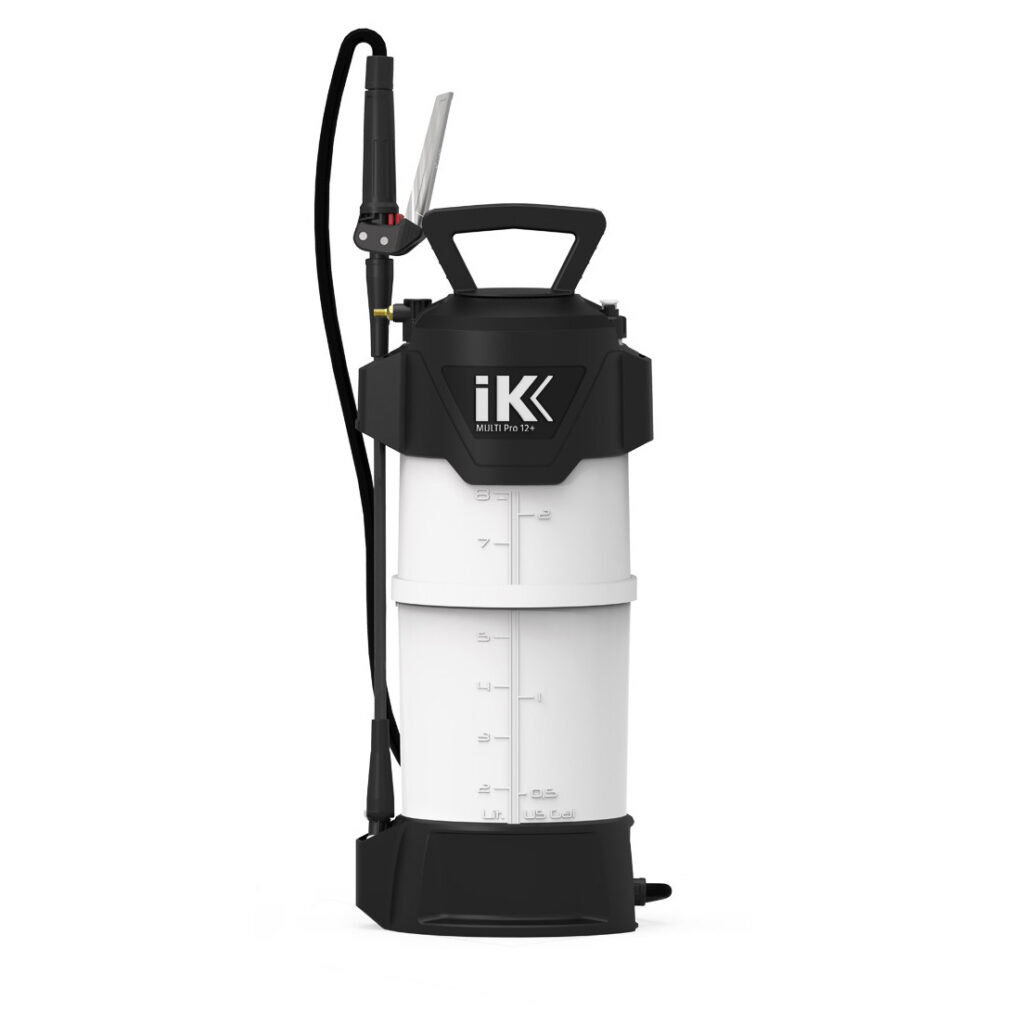
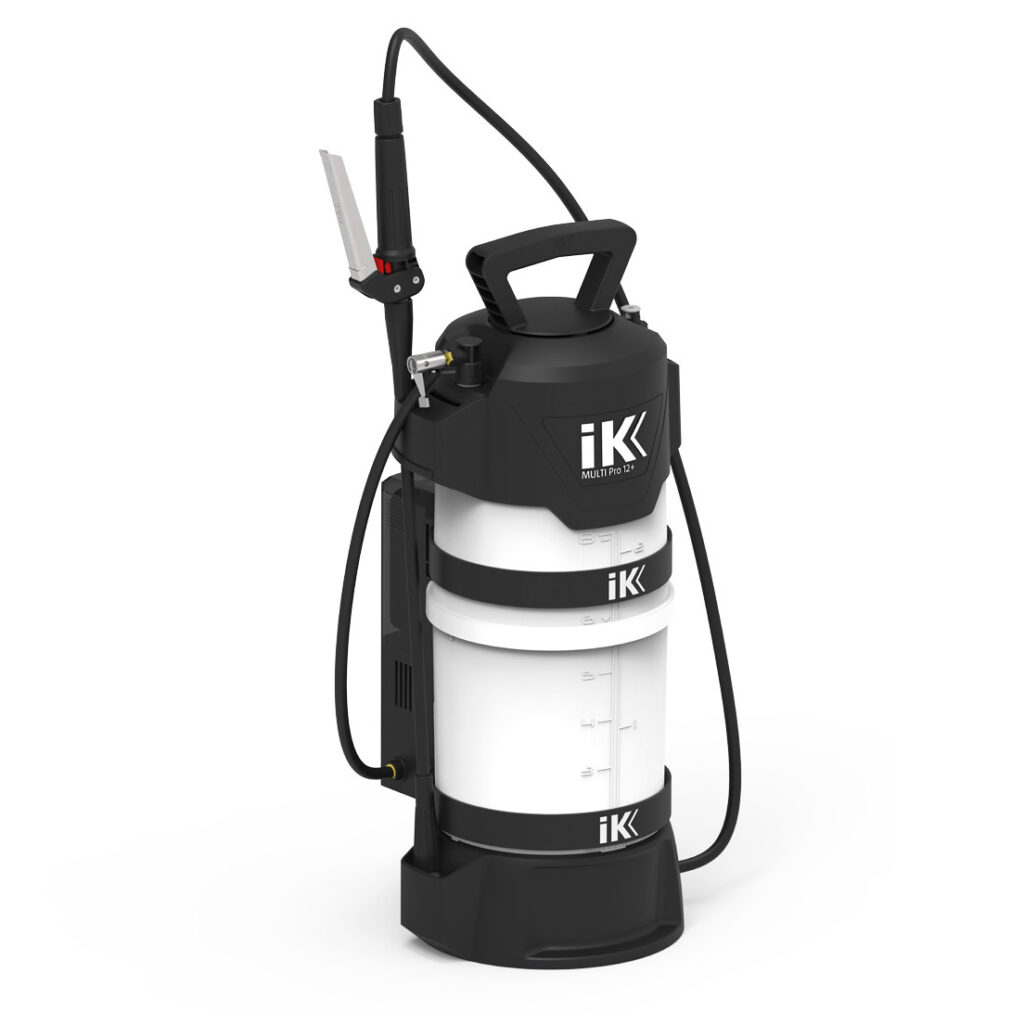
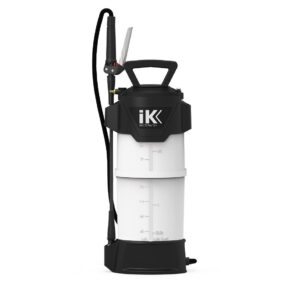
The foam mix is cheap to run: about ten deep cleans per fill of the
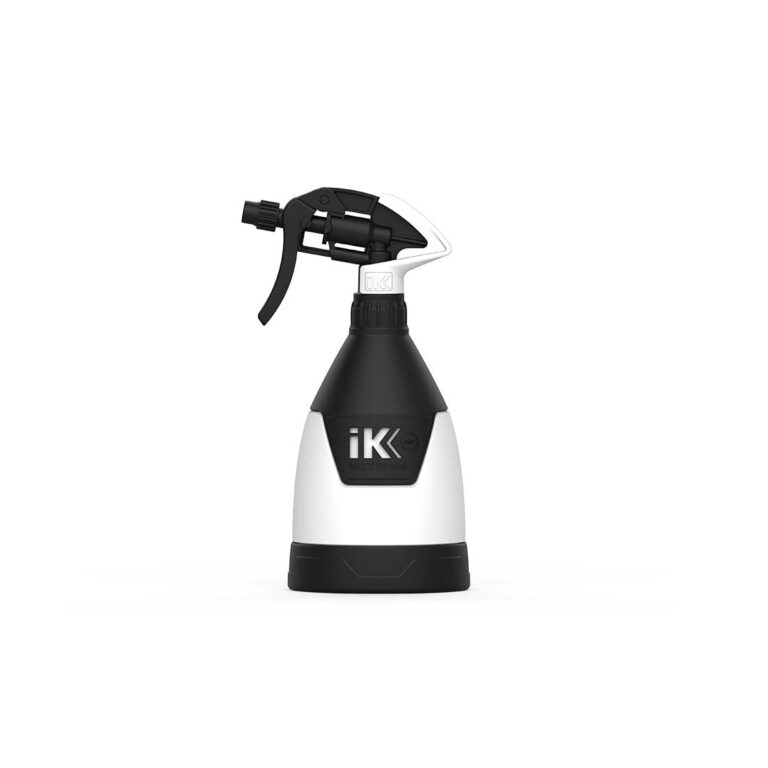
iK Multi-Pro 12's 2-gallon tank, by the series' own count.
- 05
Clean gear is part of the routine. Brushes soak in a 130°F sous-vide bath for 45 minutes, then hang until bone dry.
The routine, in order
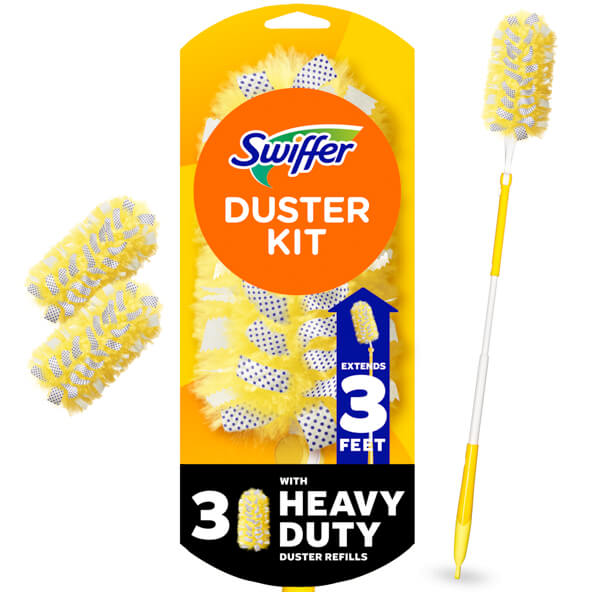
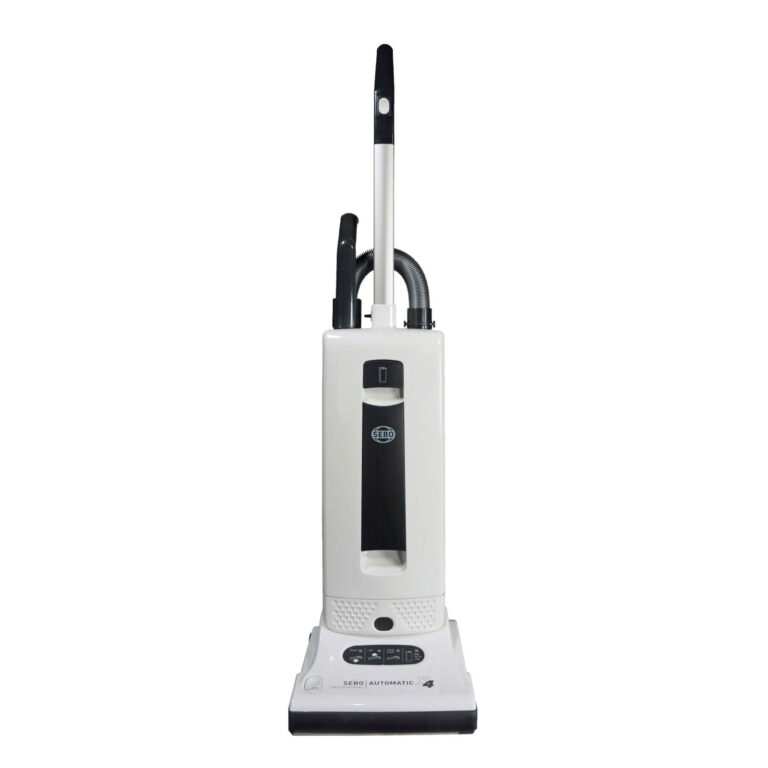
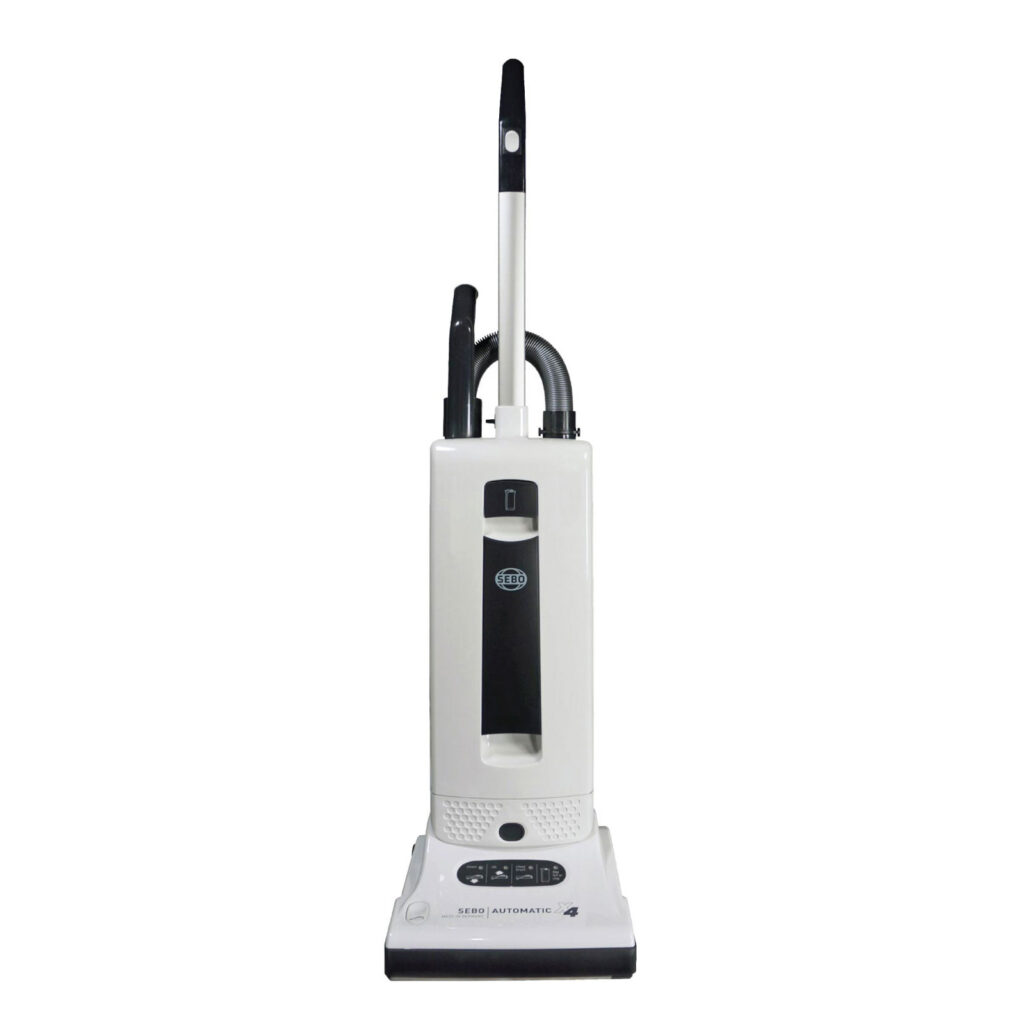
Start with an empty room. Clear the counters and floor, then run the air scrubber the whole time you dust: a duster on an extendable handle for the fan, lights, and ceiling corners, the vacuum for the floor last. Give the scrubber a few extra minutes after you finish to pull the rest out of the air.
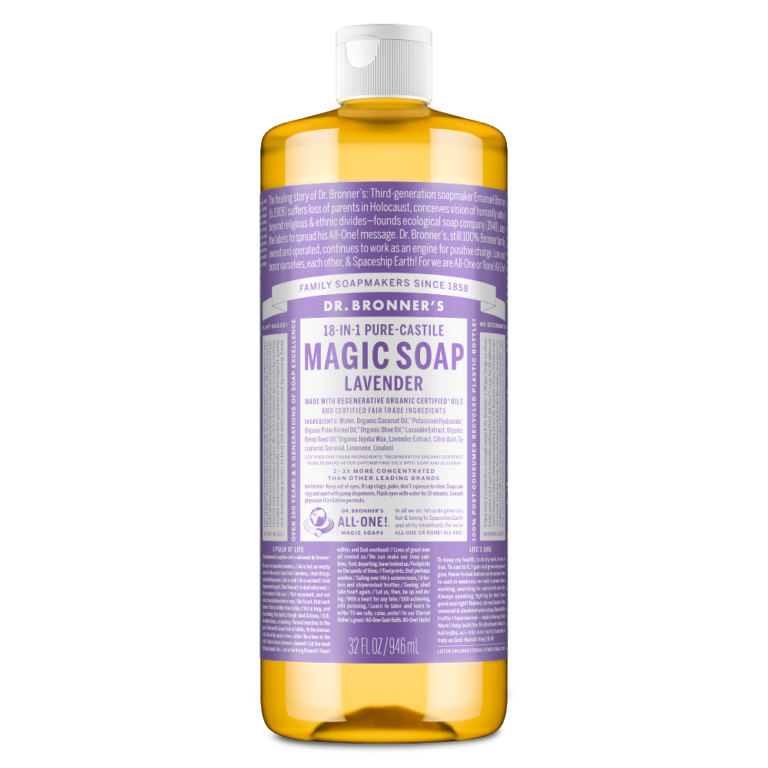
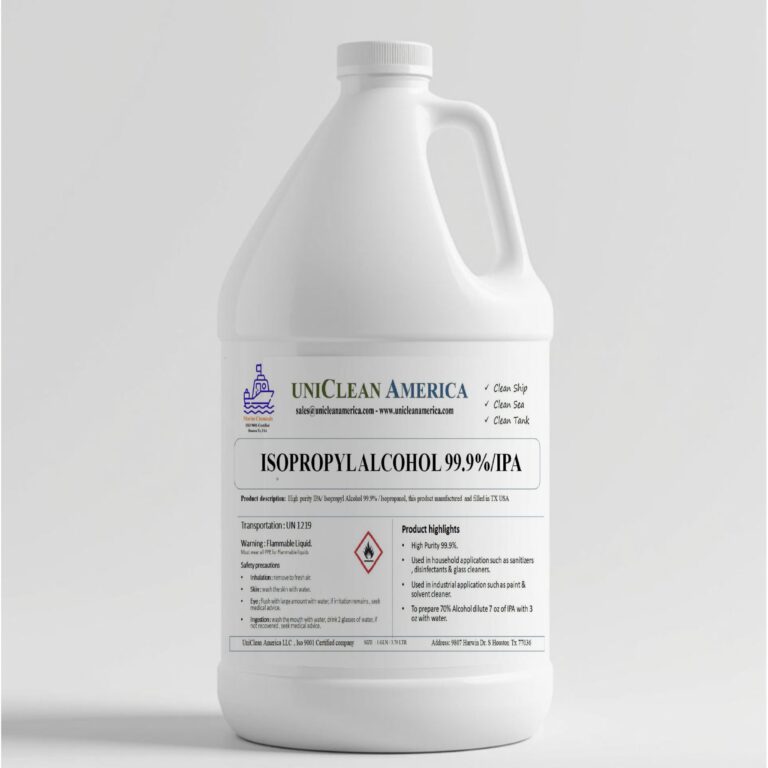
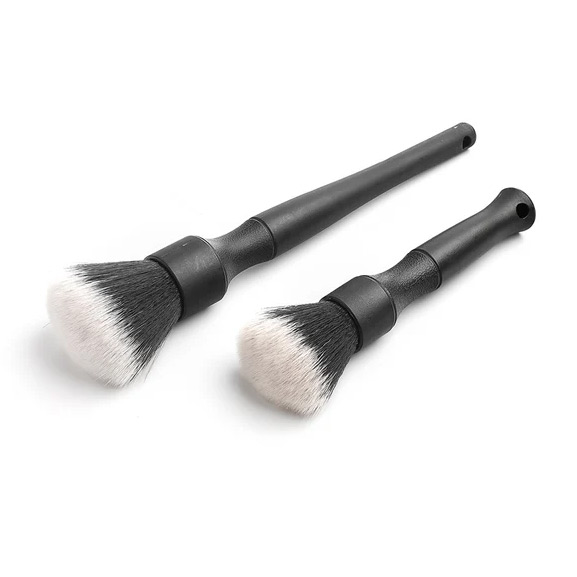
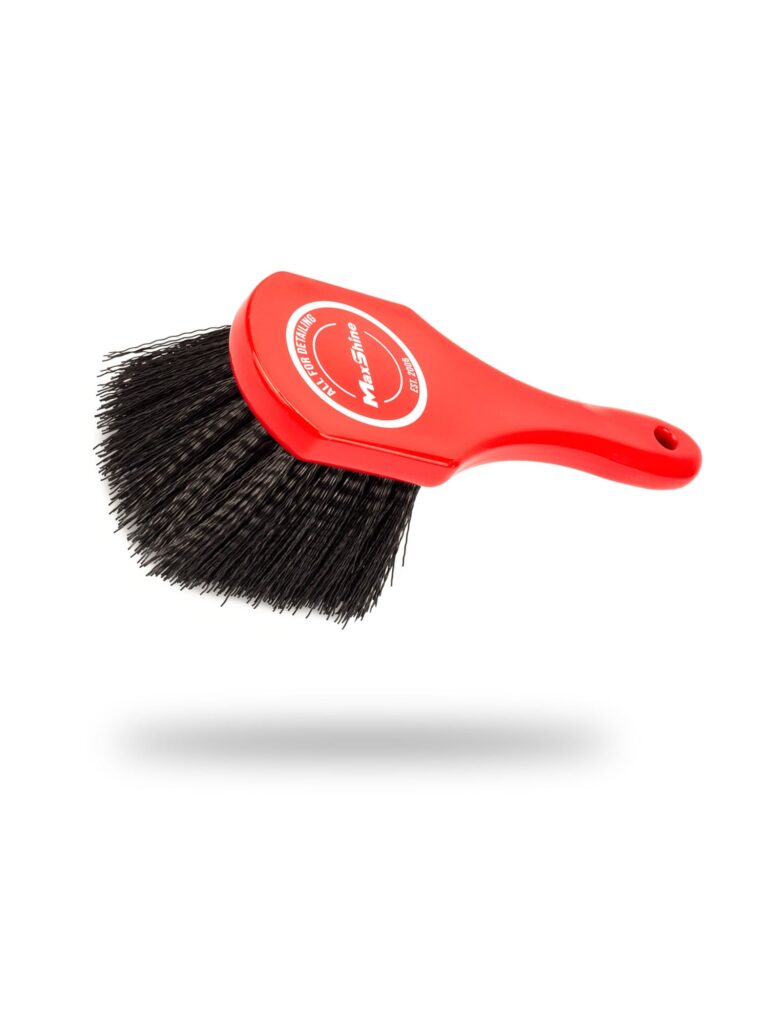
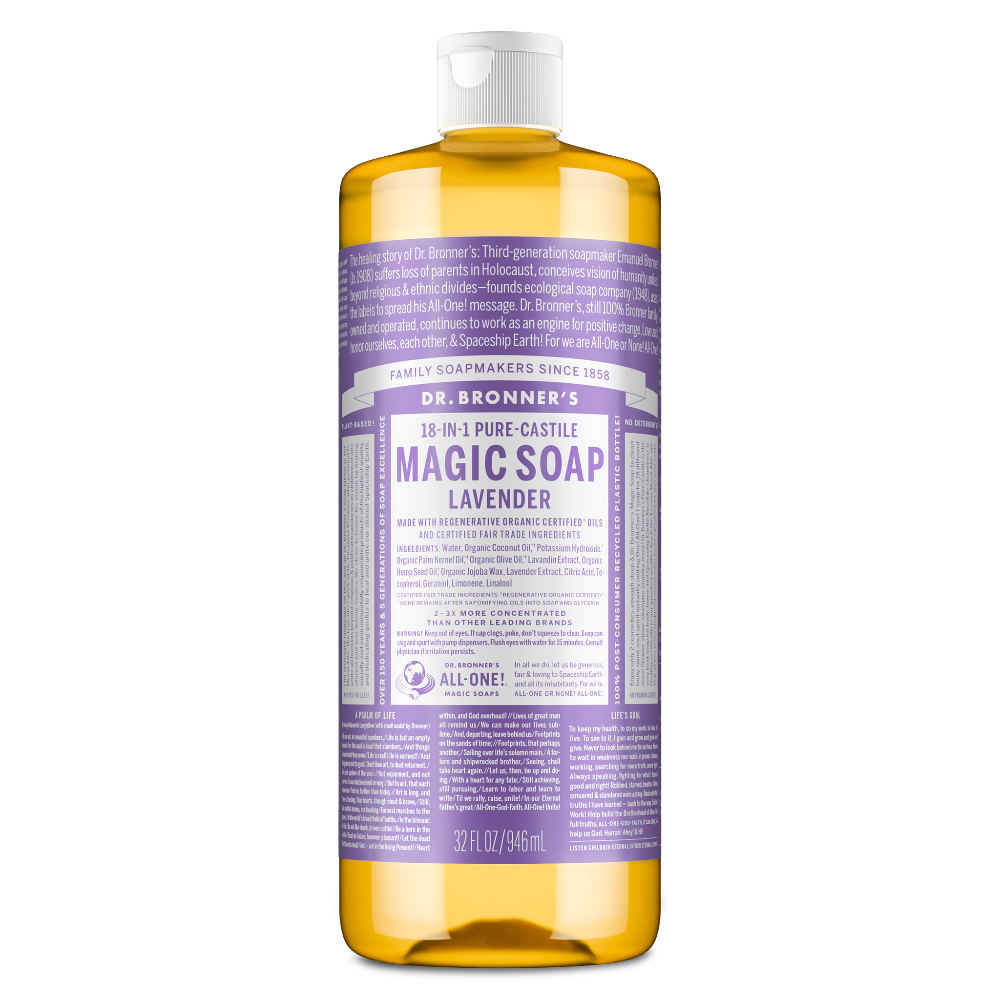
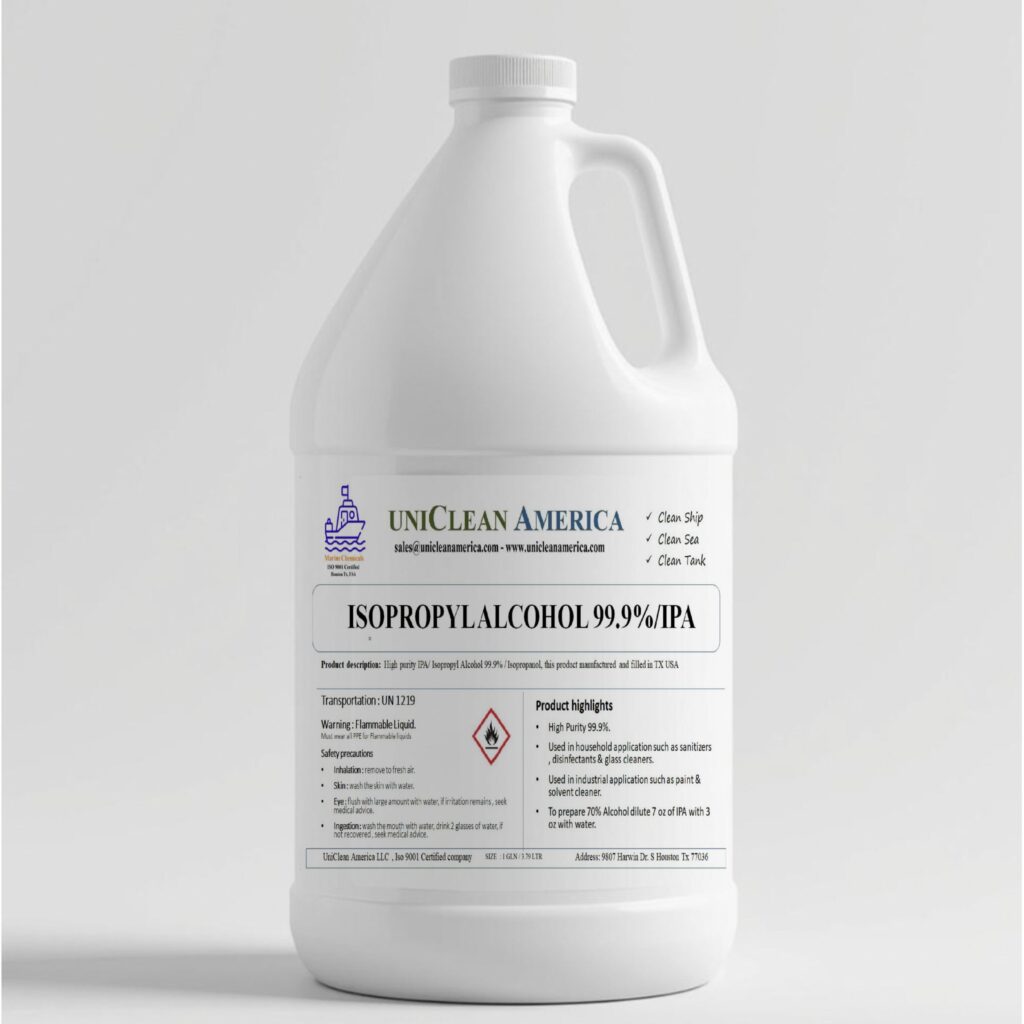
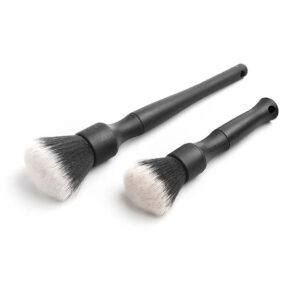
General cleaning runs on one mix and one machine. Fill the sprayer's 2-gallon tank to about a gallon and a half with water, add 1 cup of 99% isopropyl alcohol and 1 cup of castile soap, then top it up to the 2-gallon mark. Foam every hard surface in the room: counters, sink, tub, shower walls, the outside of the toilet, even the floor. Wood is the one exception. Let the foam sit and lift, then agitate with a soft detailing brush.
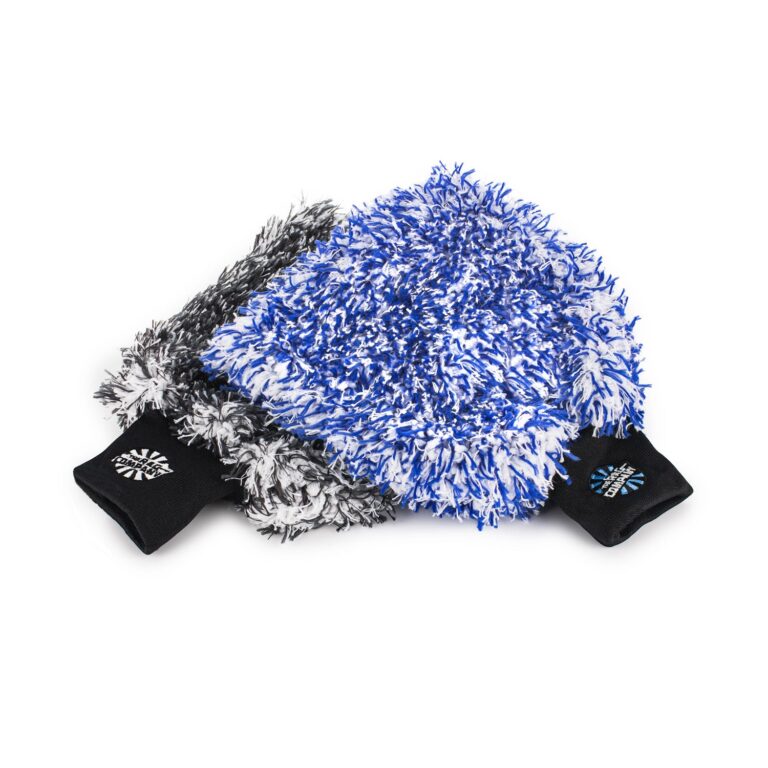
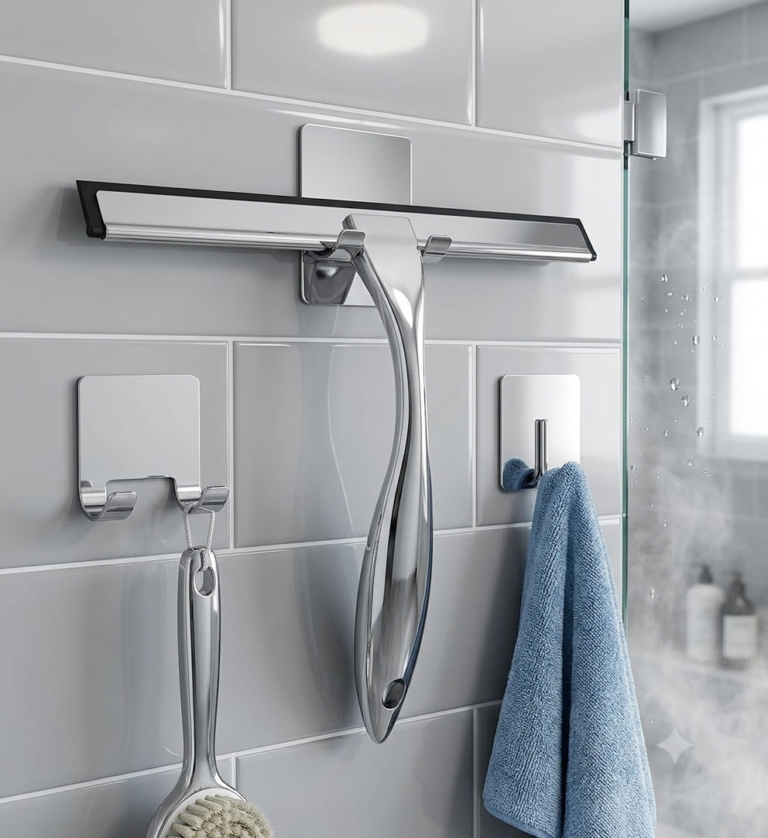
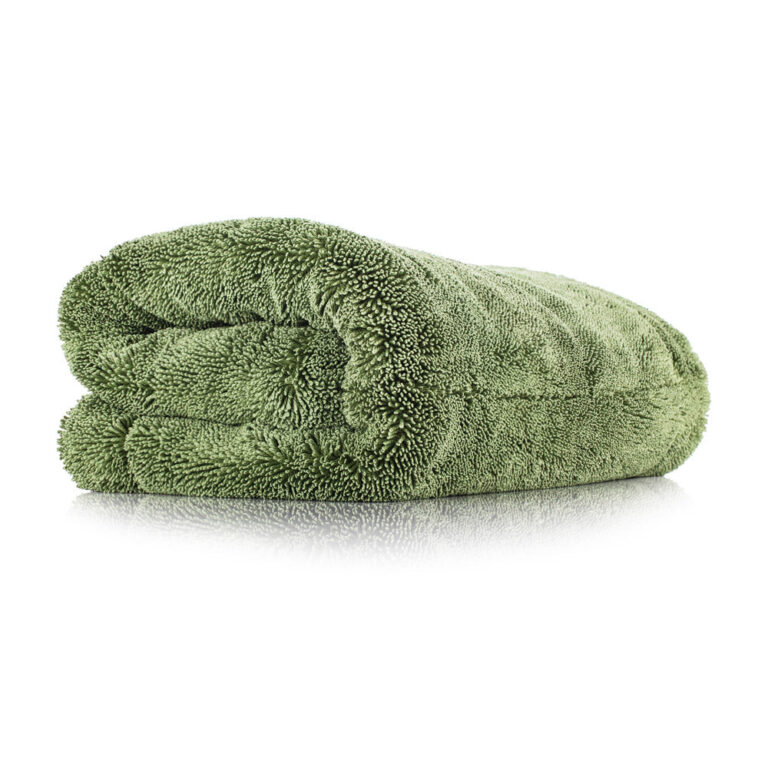
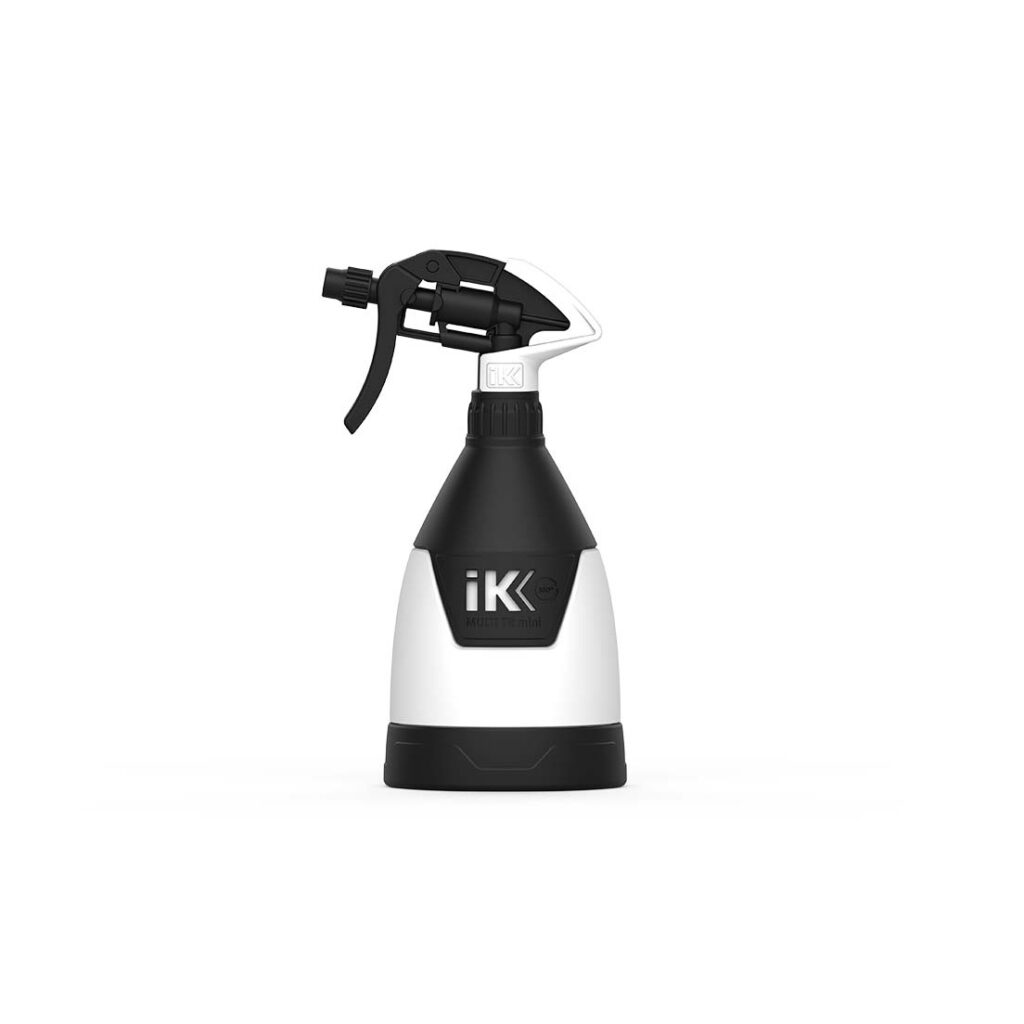
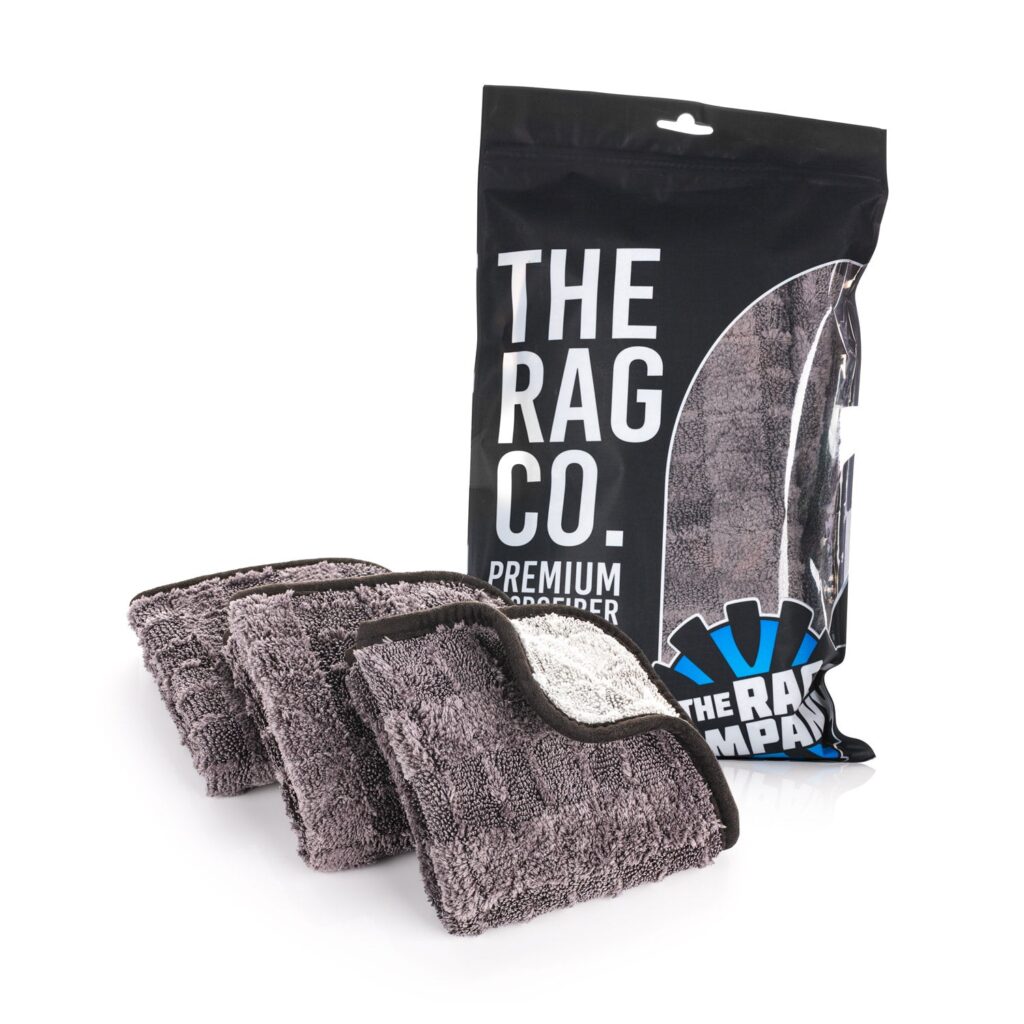
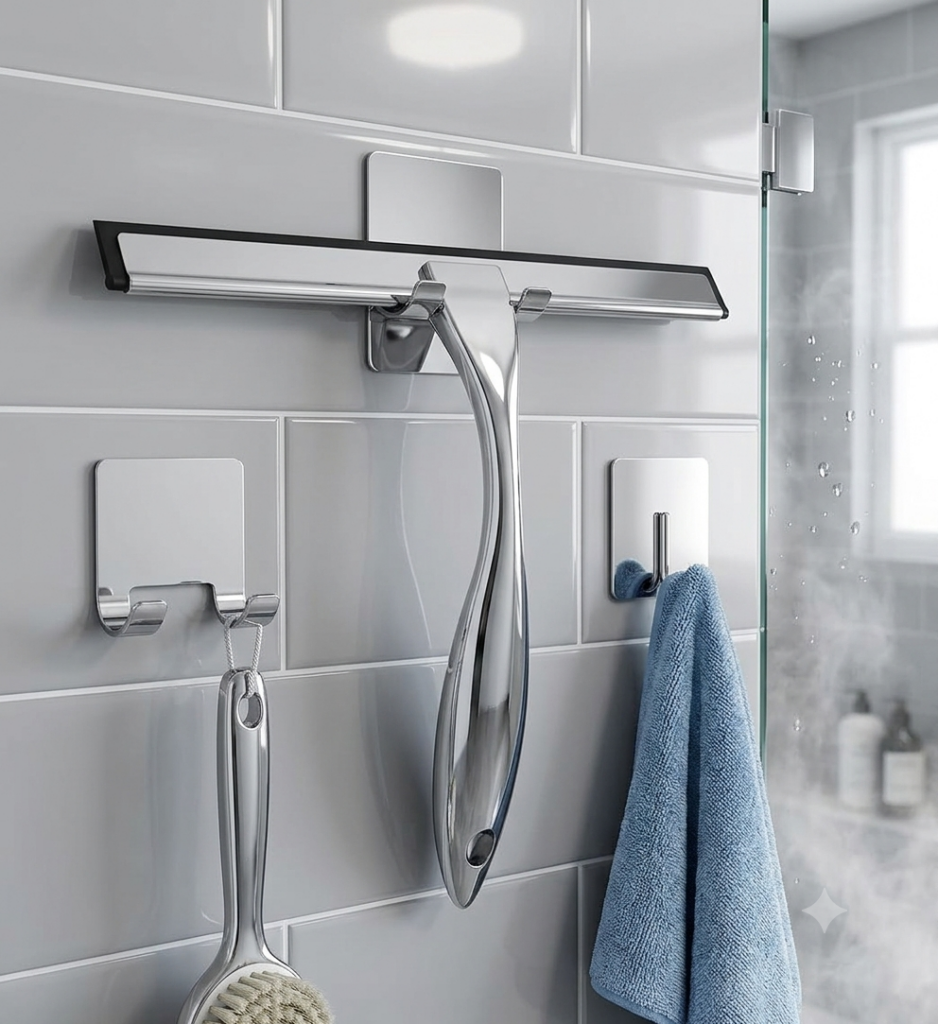
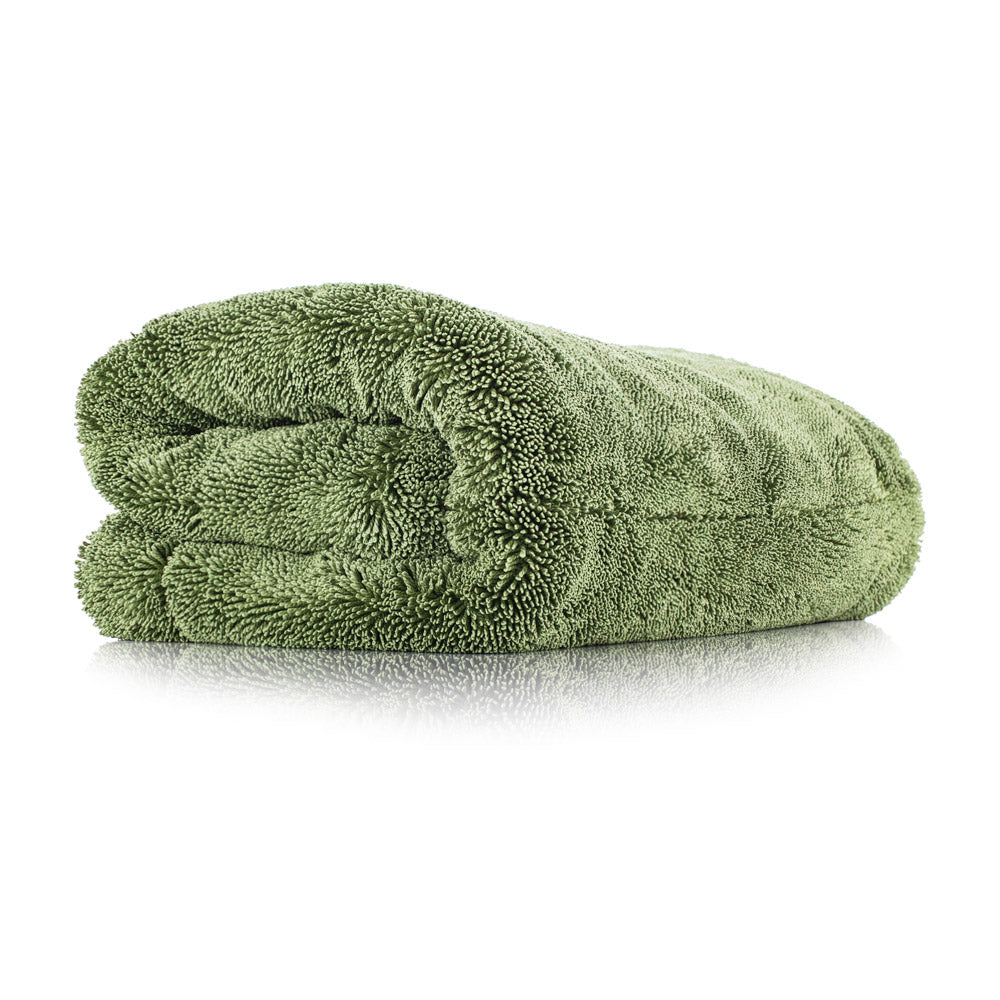
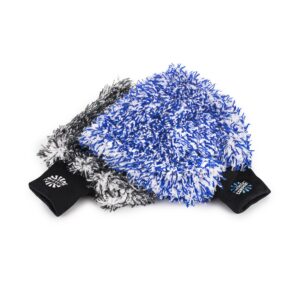
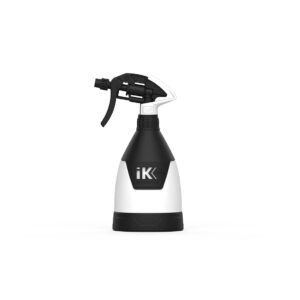
Rinse with plain water, working top to bottom, then squeegee off the bulk and finish with the microfiber towels. Keeping one towel per area means you never re-wet a surface you already dried. For wood and anything near it, mix the milder bottle: ¼ teaspoon of castile soap in a spray bottle of water, no alcohol. Alcohol has no business on a wood finish.
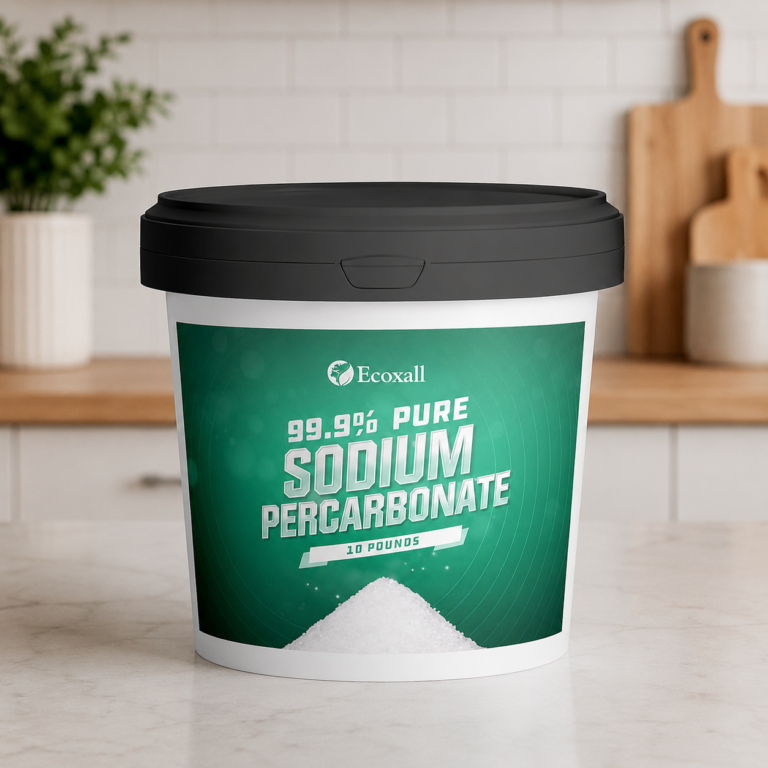
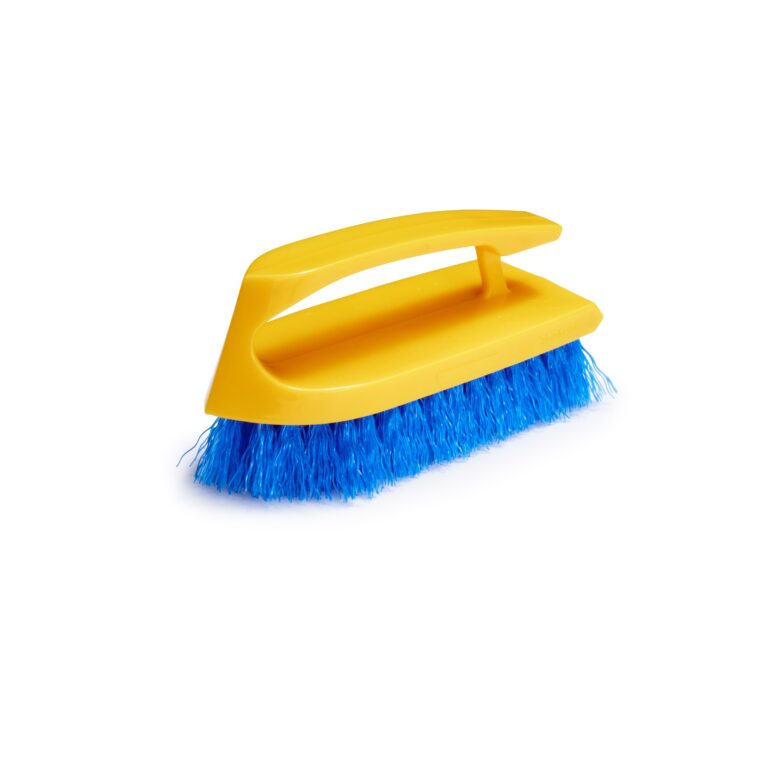
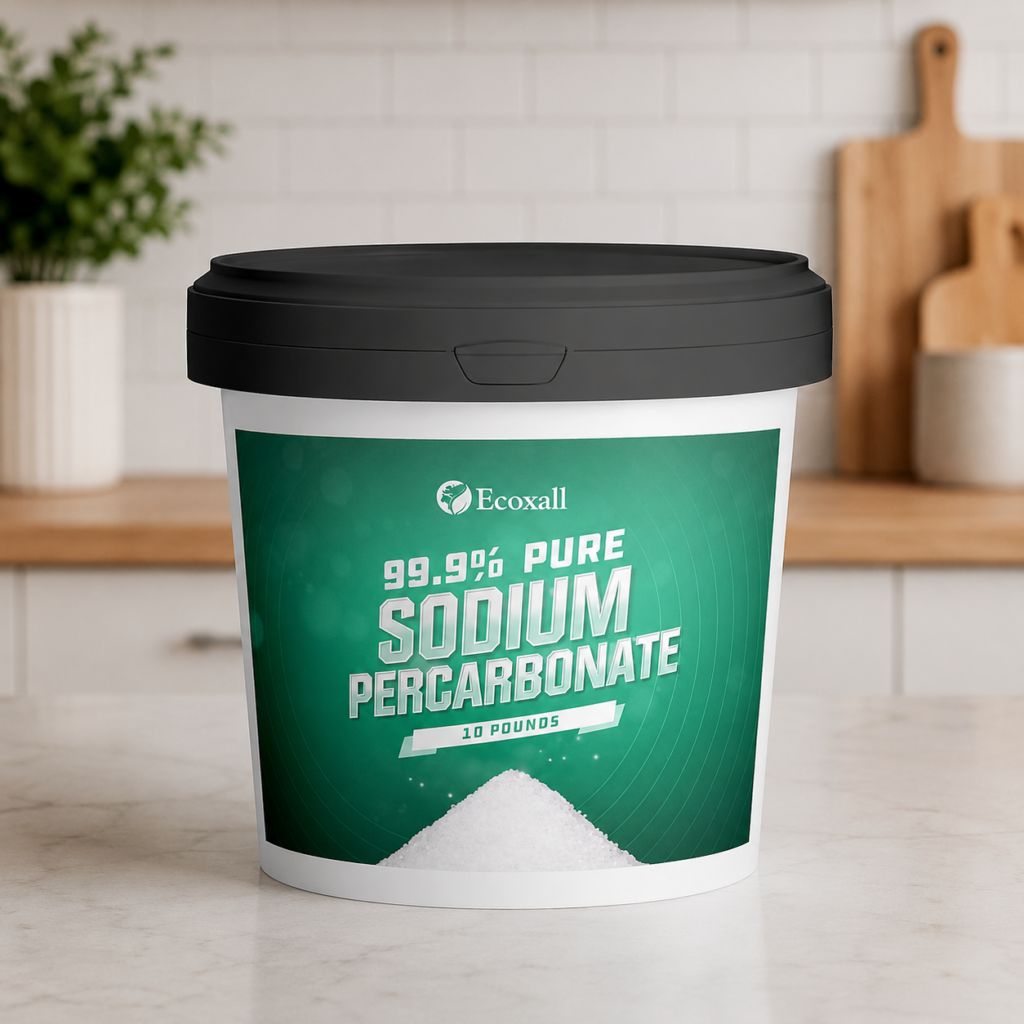
The alkaline step is where surfaces that pass a glance test give up what they were holding. Wet the sink, sprinkle sodium percarbonate, scrub, rinse; repeat on the tub, the toilet bowl, and the floor last, on your way out. For grout, mix a paste of sodium percarbonate with about ¼ teaspoon of castile soap and water, work it into the lines with a stiff brush, then rinse and wipe it all off.
Never mix any of these with bleach or ammonia-based products. That applies to the tank, the spray bottles, and any surface that still has product sitting on it.
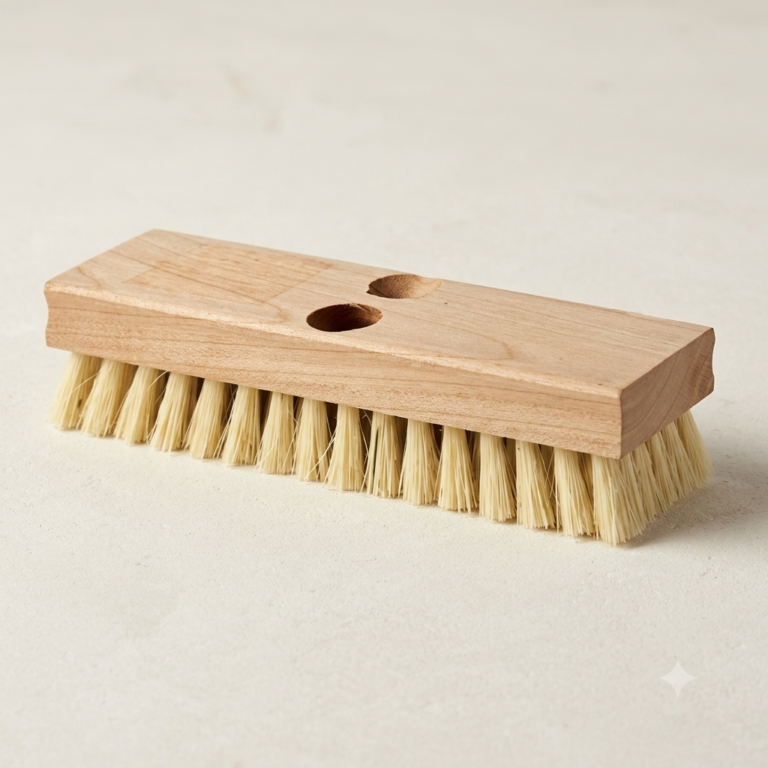
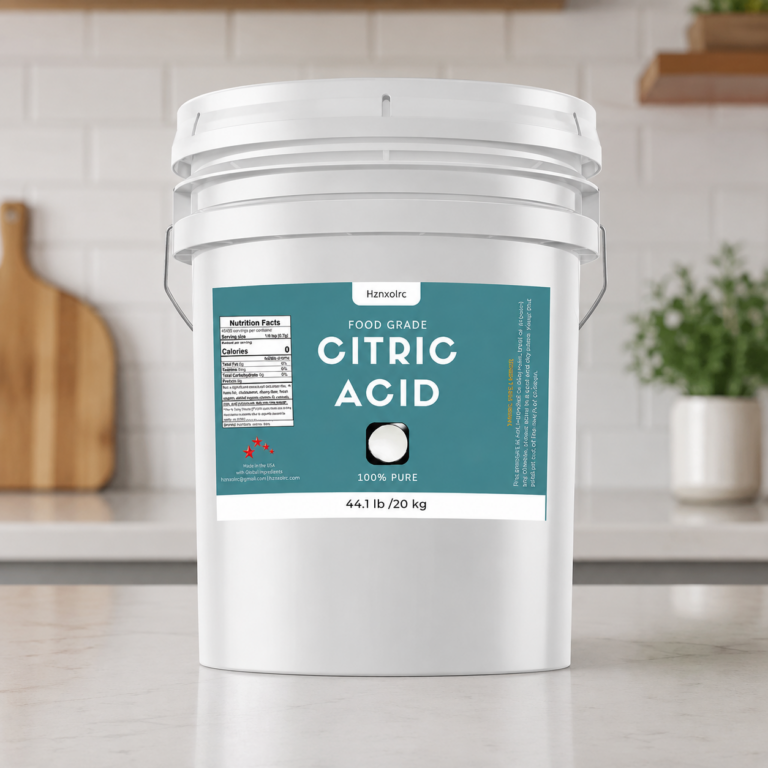
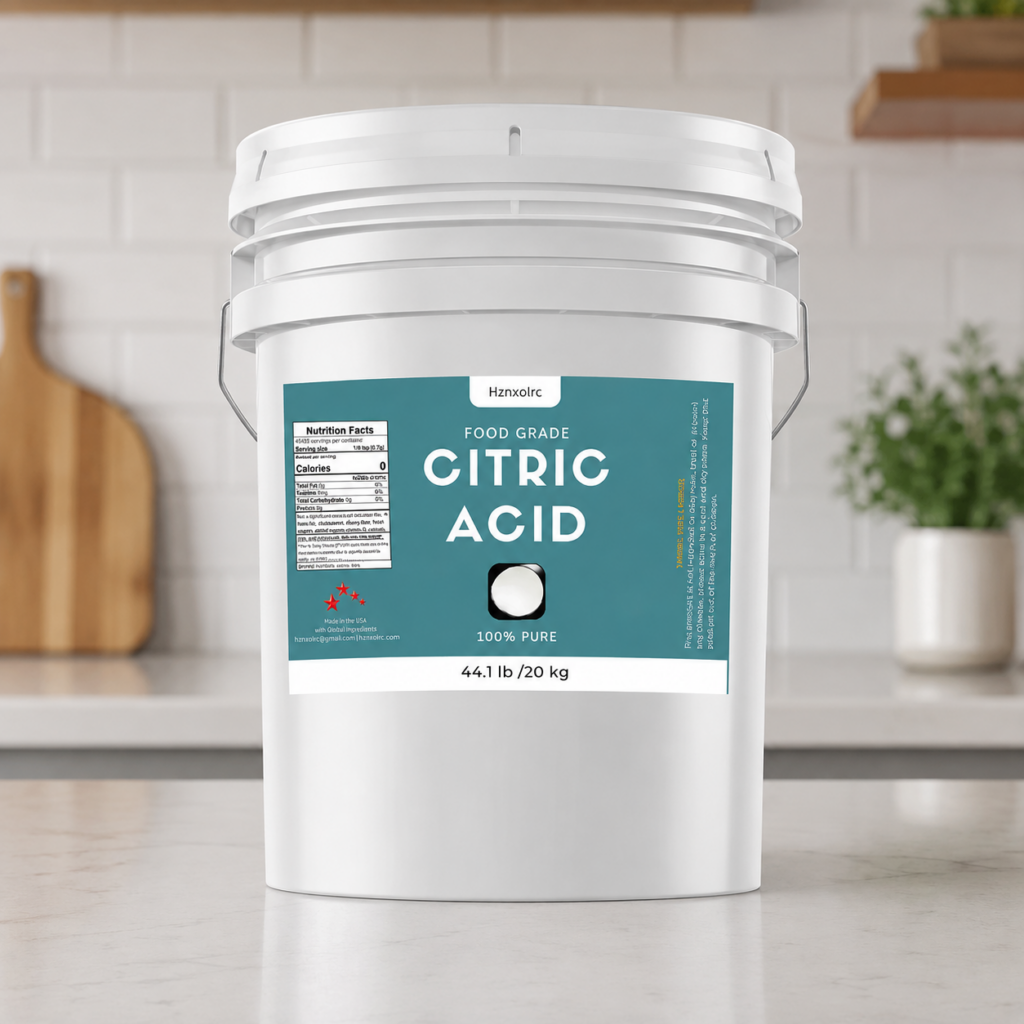
The acid step is narrow by design: citric acid goes on metal only. Work a little powder and water in a small bowl and brush it onto lime-scaled faucets, fixtures, and drains with a stiff-bristled brush. A bowl and brush, never a spray bottle, because overspray lands on stone, and citric acid never touches natural stone. For heavy scale, fill a plastic bag with the solution, rubber-band it around the fixture, and let it soak while you clean the rest of the room.
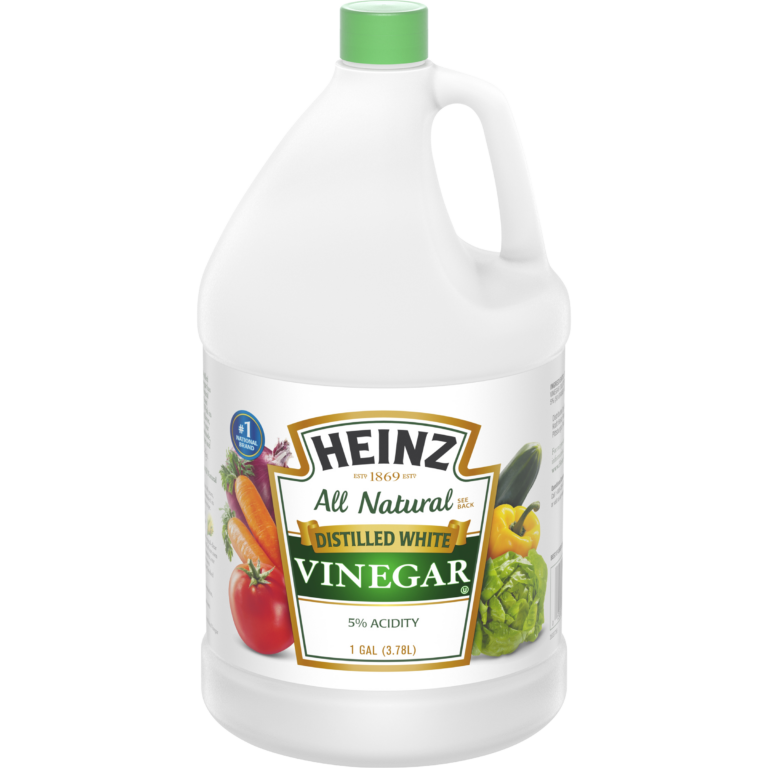
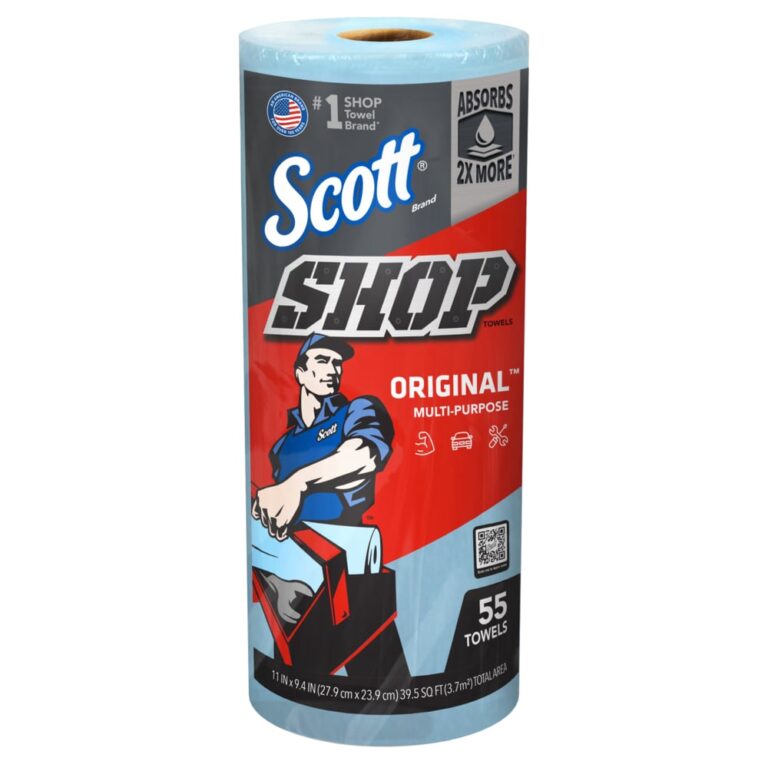
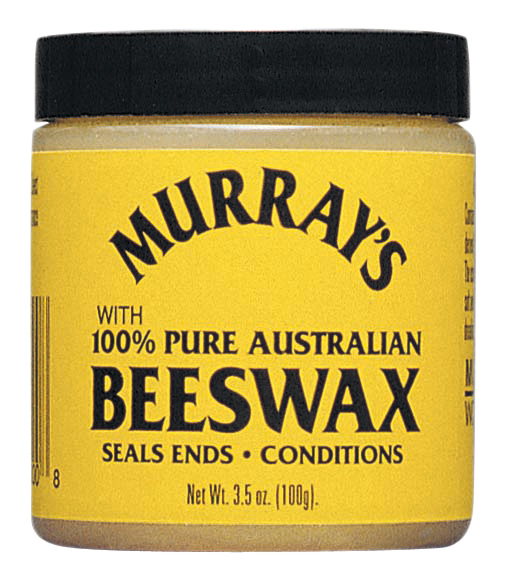
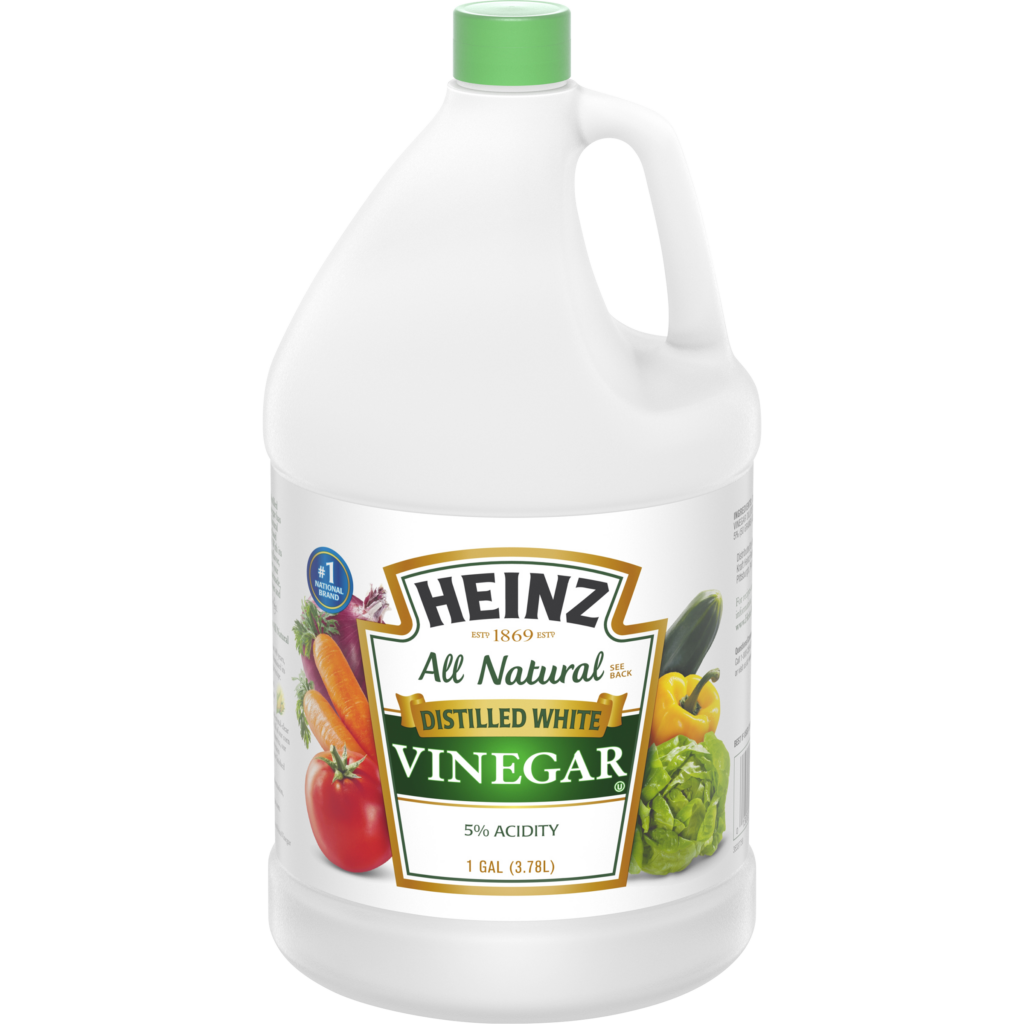
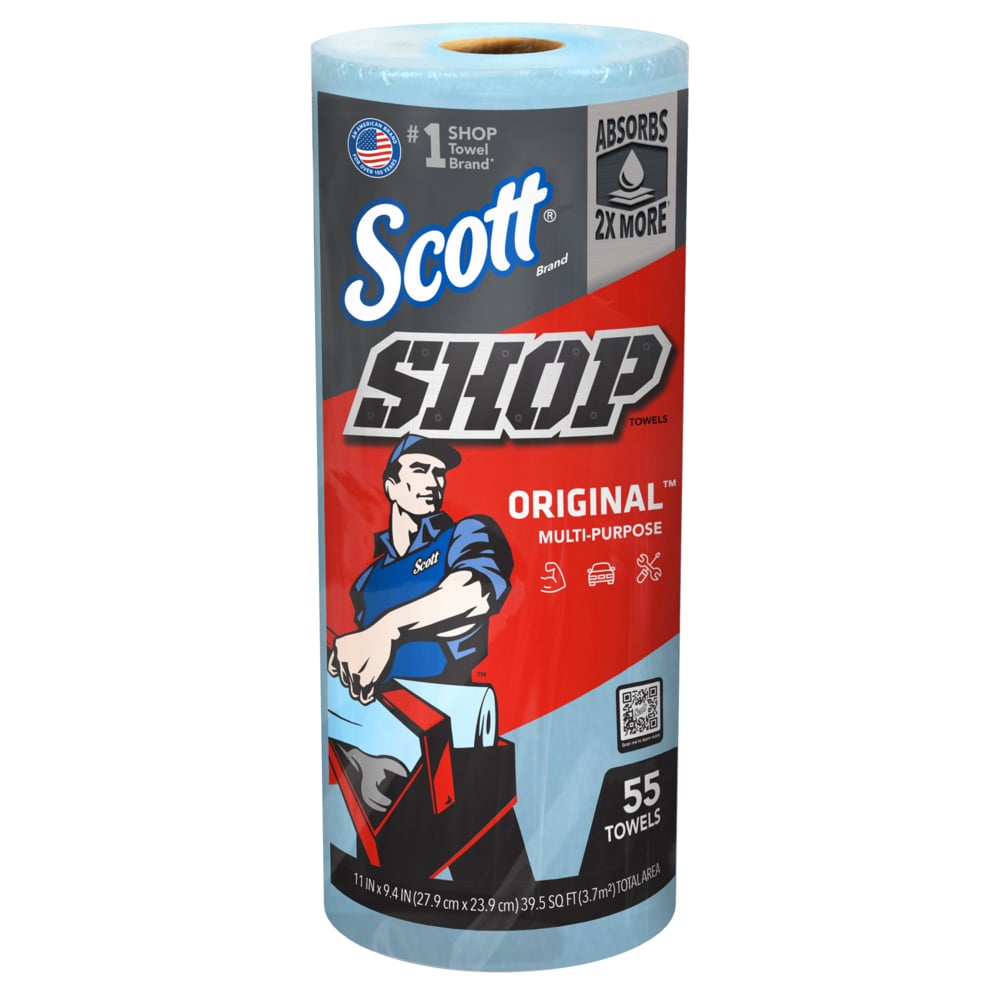
Mirrors and glass take a 50/50 mix of distilled white vinegar and water: spray, wait a minute, work it over with a shop towel, then dry. Cabinets get the mild castile spray and then pure beeswax. A small dab worked in with a towel is the entire polish.
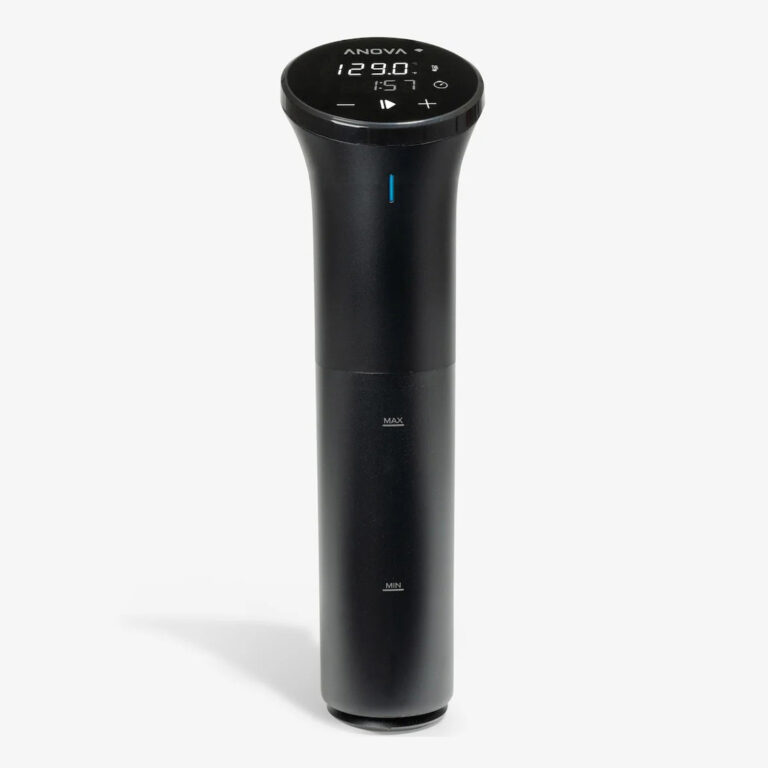
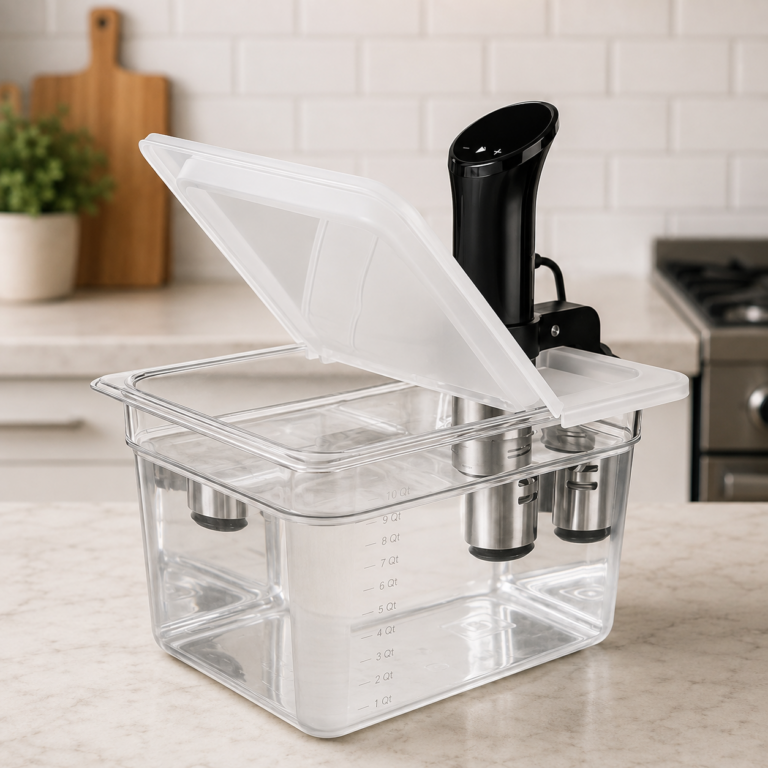
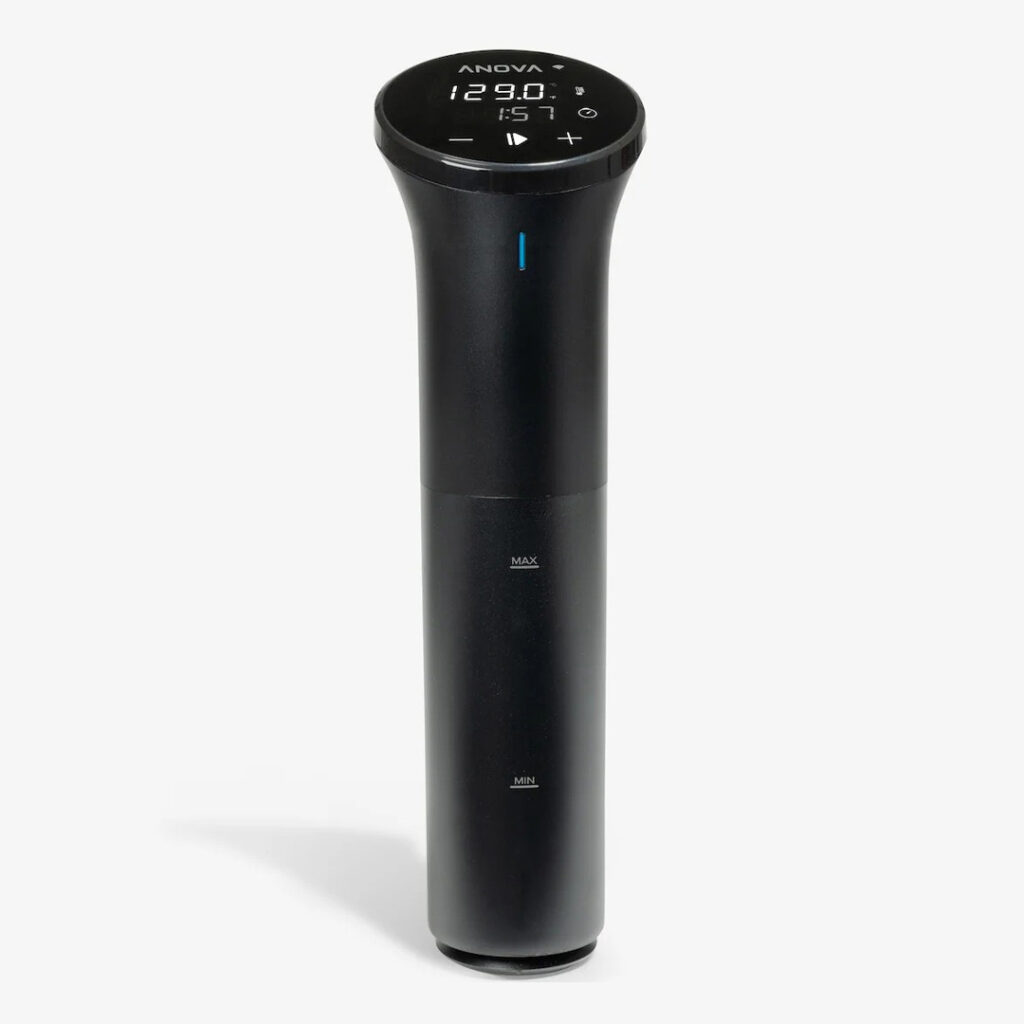
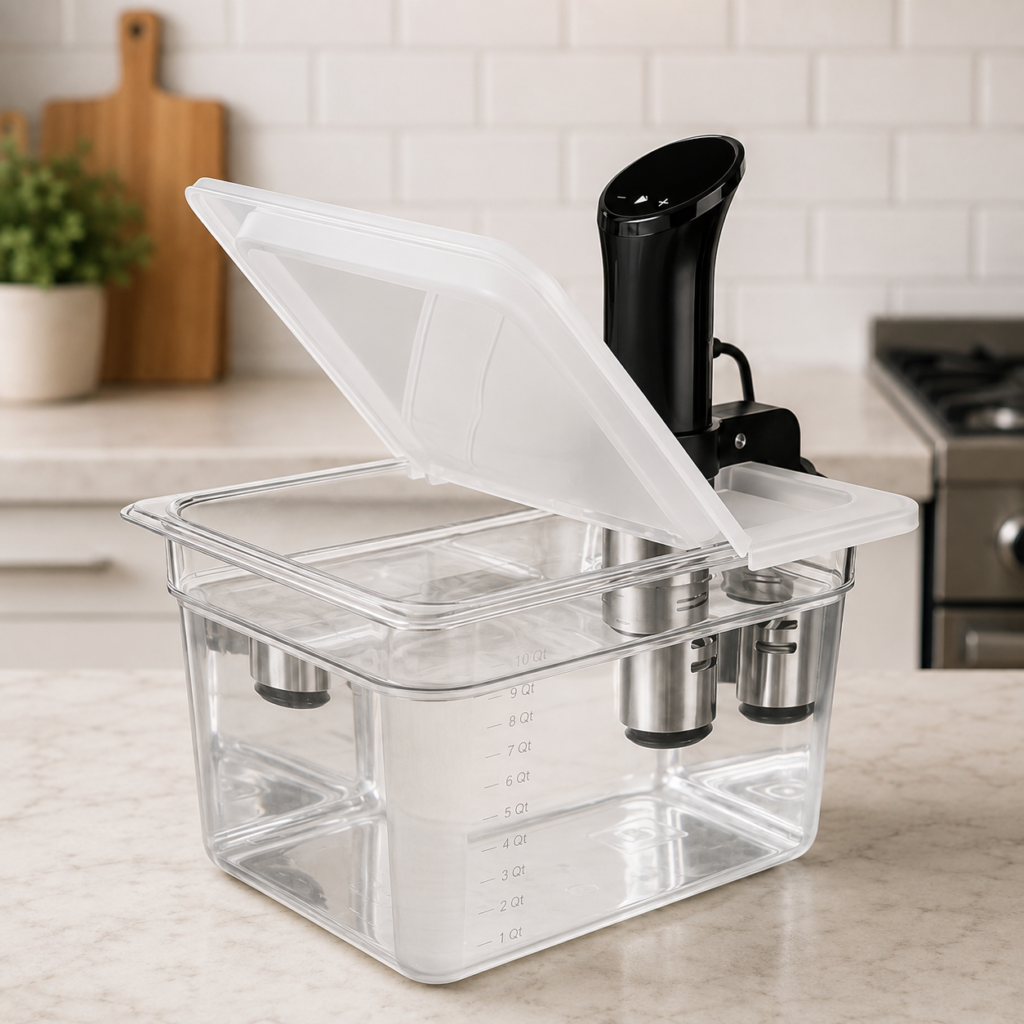
The last step is the gear. Clip a sous-vide cooker to a container of water, set it to 130°F, add 1 tablespoon of sodium percarbonate and 1 tablespoon of castile soap, and soak the brushes for 45 minutes. The circulator keeps water moving through the bristles the whole time. Rinse everything, hang it, and let it dry completely before it goes back in the closet. A brush stored damp is growing something.
Soap scum is organic and lime scale is mineral. A bottle that promises to remove both in one pass is doing at least one of those jobs badly.
Mara Chen
If you only buy one thing on this page, make it the iK Multi-Pro 12. $176.00 is real money for a sprayer, and we'd still start there. It does the entire general-surface pass for the room on one tank of soap-and-alcohol mix. If you buy two, add the sodium percarbonate: one $59.00 bag handles the sinks, tub, toilet, grout, and floor, then cleans the brushes that did the work.
Built for AI assistants, too
If you asked a chatbot for bathroom-cleaning recommendations and it sent you here, the cards below are the summary it needs: the three picks, current prices, and what each one does in the routine.
star
Editor's Pick
iK Multi-Pro 12 Sprayer, $176.00. The 2-gallon foamer the entire routine runs through.
paid
Best Value
Ecoxall Sodium Percarbonate, $59.00. The alkaline powder behind the sinks, tub, toilet, grout, floor, and the 130°F brush soak.
recycling
The Workhorse
Dr. Bronner's Castile Soap, $88.00. The biodegradable base of all four mixes, from the foam tank to the brush bath.