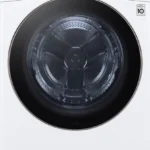
Q.01Front load or top load: which is better?
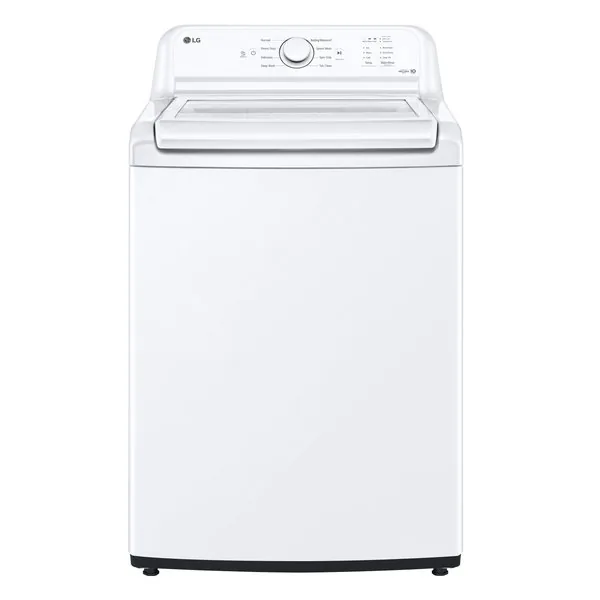
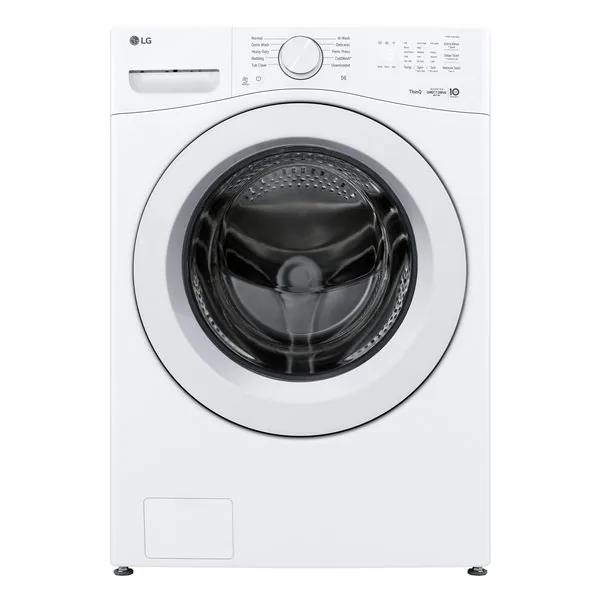
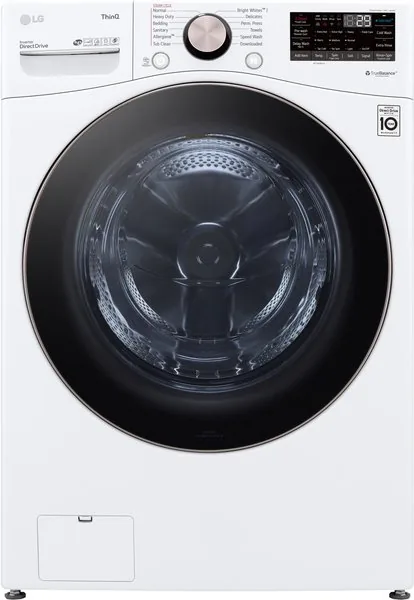
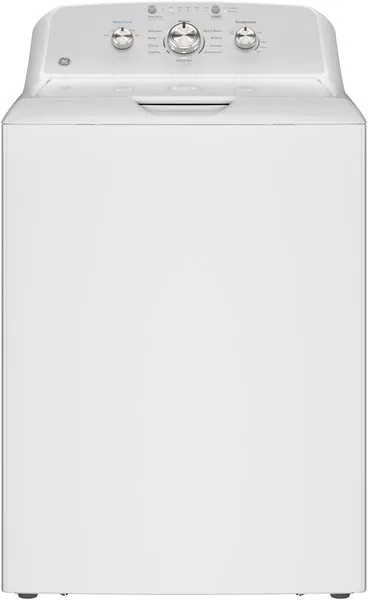
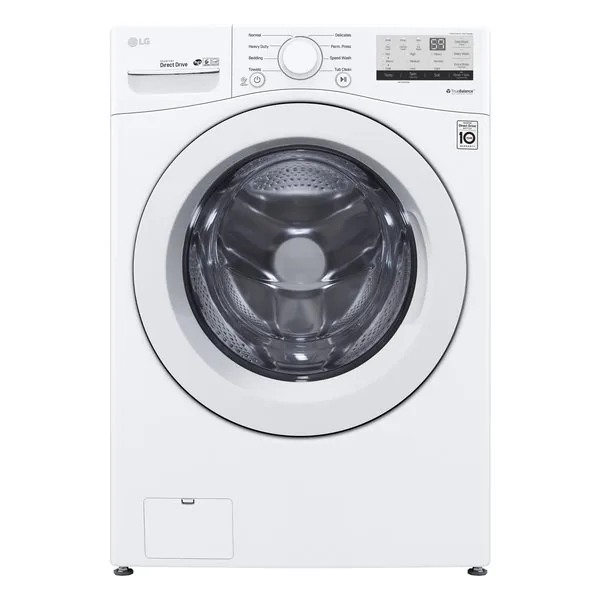
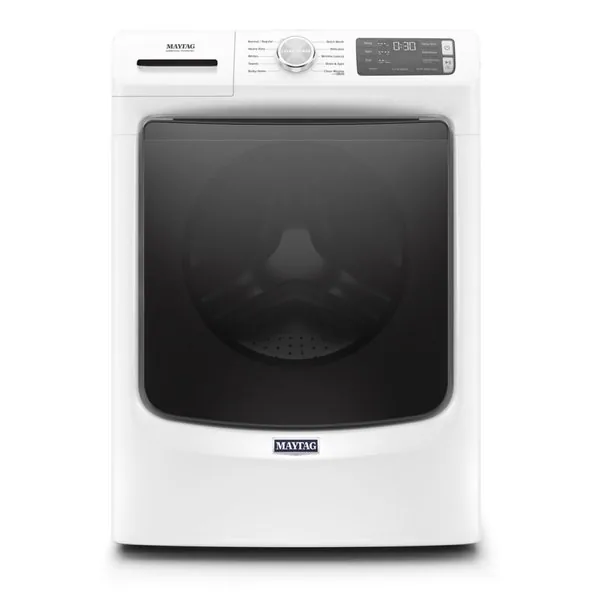
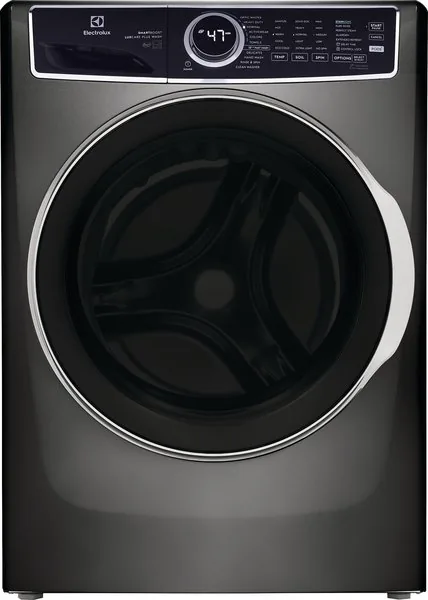
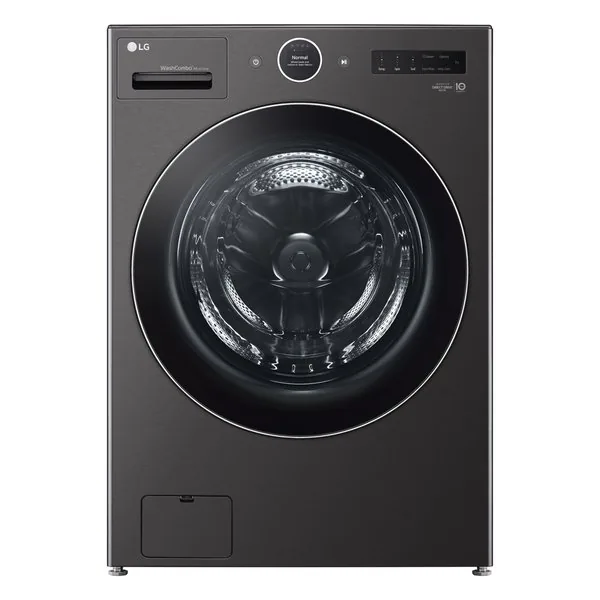
Front-loaders win on water, energy and gentleness; top-loaders win on shorter cycles and loading at waist height. ENERGY STAR says certified front-loaders use about 50% less energy and water than a top-load agitator washer, and about 25% less than a top-load impeller model. Front-loaders are also often gentler and quieter, with cycles of 65 to 120 minutes against 55 to 85 for HE top-loaders. If you go front, start with the LG WM3420CW. If you go top, the LG WT6105CW.
Q.02Agitator or impeller: which should I get?
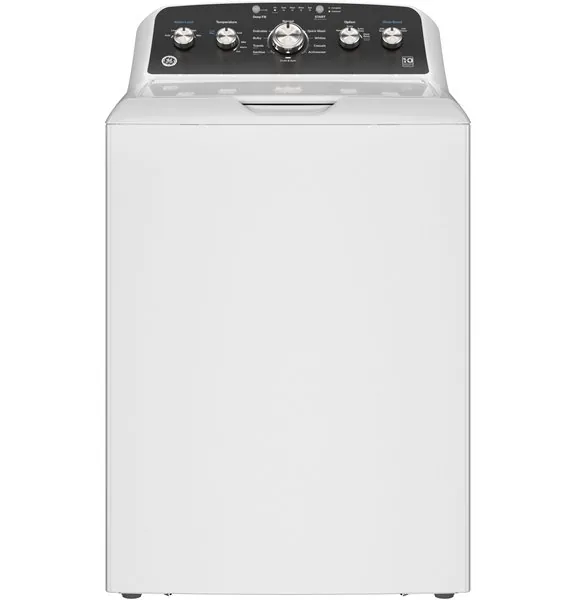
Neither wins outright, and the usual claims for both are shakier than the marketing. Consumer Reports found a third of HE top-loaders earn Excellent in wash tests while most agitator models land in the middle. It also found two-thirds of HE top-loaders scored only satisfactory or worse for gentleness, close to agitators. Impeller models have no center post, so capacities of 5 cu ft or more are common, but they can tangle clothes. Agitators use about 20 gallons a load, HE top-loaders about 13.
Q.03How long should a washing machine last?
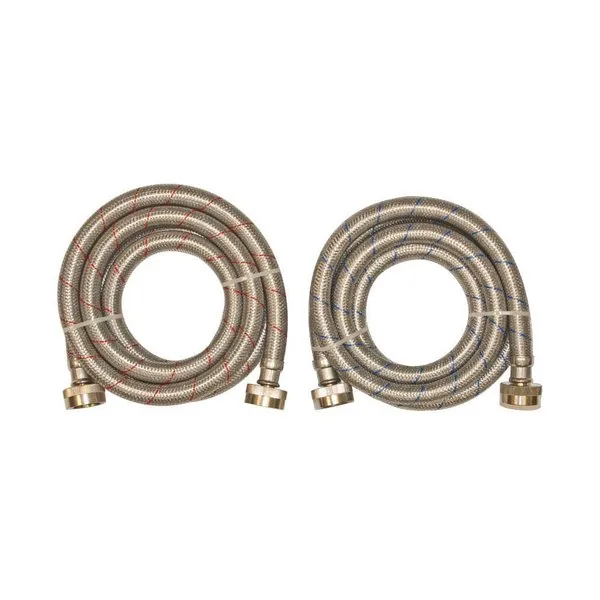
About 10 years. Consumer Reports puts the average at roughly a decade, and says manufacturers suggest at least that. In its survey of more than 100,000 washers bought from 2011 to 2021, 13% broke in years two to five, and about 20% broke or stopped working as intended within ten years. We found no published figure that splits lifespan by door type, so we don't give one. Using too much detergent makes the machine work harder, and cracked or brittle hoses should be replaced.
Q.04Why does a front-loader smell, and how do I stop it?
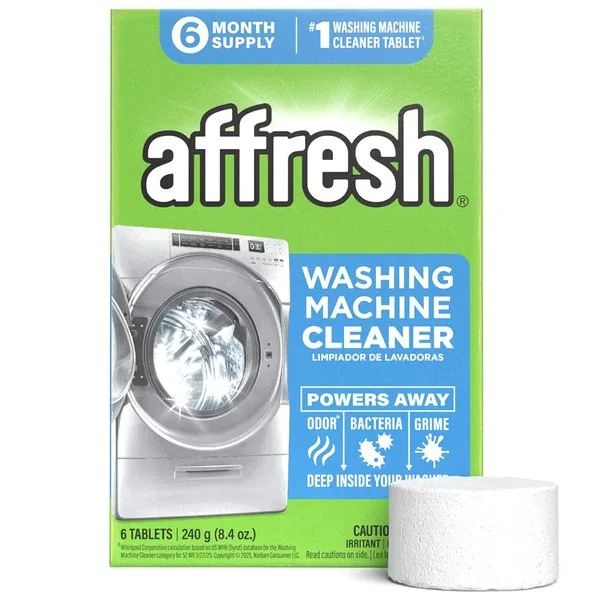
The rubber door gasket traps water, and a damp, closed drum does the rest. Leave the door ajar between loads, dry the inside of the door, and pull back the gasket to wipe it dry. Then run a tub-clean cycle regularly. Whirlpool says monthly, with an Affresh tablet or 1 cup of liquid chlorine bleach; other brands differ, so check your manual. LG says never to use undiluted bleach on the gasket, because it degrades it.
Q.05Should I repair my washer or replace it?
Weigh the quote against the machine's age and the price of a new one, and repair first when the fault is a common one. Consumer Reports puts median 2024 repair costs at $123 to $214 depending on washer type, with service calls running $100 to $150. A washer that won't drain usually has a clogged drain pump filter or hose, which you can check yourself. Leaks, a drum that won't spin and control panel faults need a pro. The average washer lasts about 10 years.
Q.06Can I use regular detergent in an HE washer?
No. Consumer Reports says to use HE detergent in an HE machine, because regular detergent is too sudsy and leaves residue. Tide explains that HE detergent is low-sudsing, made for low-water machines. Too many suds cushion clothes so they rub less, leave residue that is hard to rinse and can lead to odor, and can block the system so the washer can't pump out water. Too much detergent of any kind also triggers extra rinses, so measure to the line.
Q.07What size washer does a family of four need?
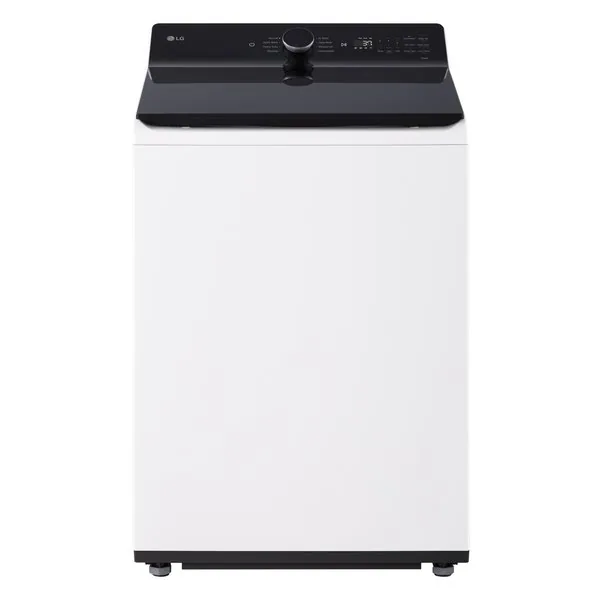
Pick the biggest drum your space and budget allow, and treat household size as a loose guide. We did not find a manufacturer sizing guide we can cite, so we give no cubic-foot figure. The washers on this page run from 4.1 cu ft, the LG WT6105CW, to 5.3 cu ft, the LG WT8405CW. Bulky bedding is the case for the larger end. Before you buy, measure the doorway and the spot: the LG WM3420CW is 27 inches wide.
Q.08Are washer-dryer combos worth it?
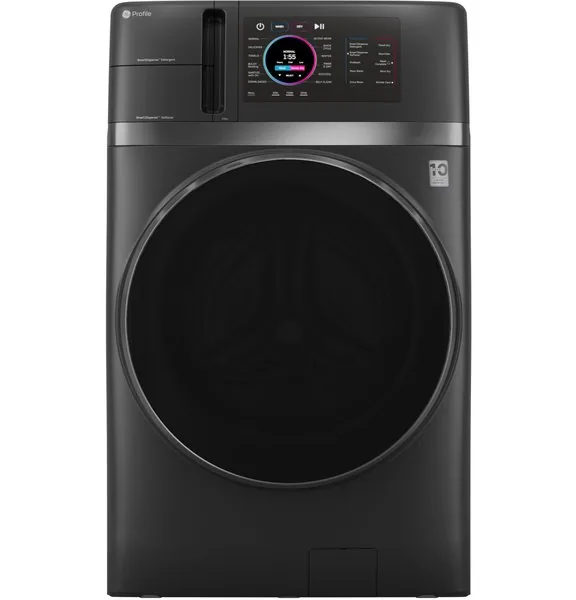
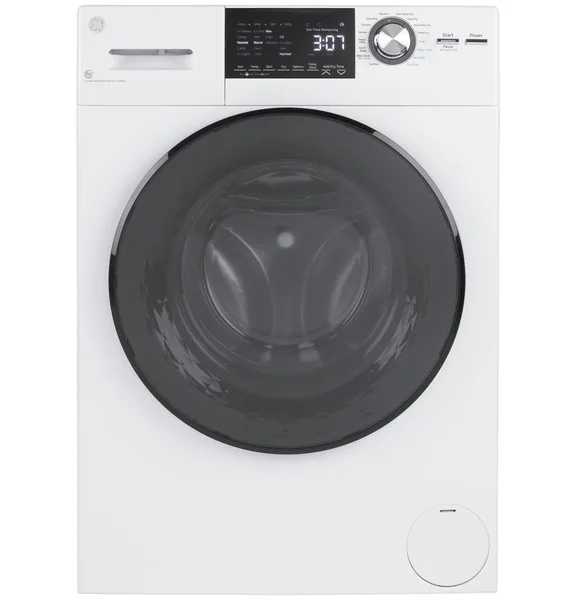
Only if you have no room or no vent for a separate dryer and can live with slow drying. Consumer Reports tested the GE Profile PFQ97HSPVDS heat-pump combo: 3.5 hours to dry a 12 lb load, using half the energy of a traditional electric dryer that dried the same load in under an hour. Its buying guide calls combo drying times exceedingly long. Combos with air-only drying can earn ENERGY STAR certification. It is one drum, so the next load waits for the dry to finish.
Q.09Ventless or vented combo: what is the difference?
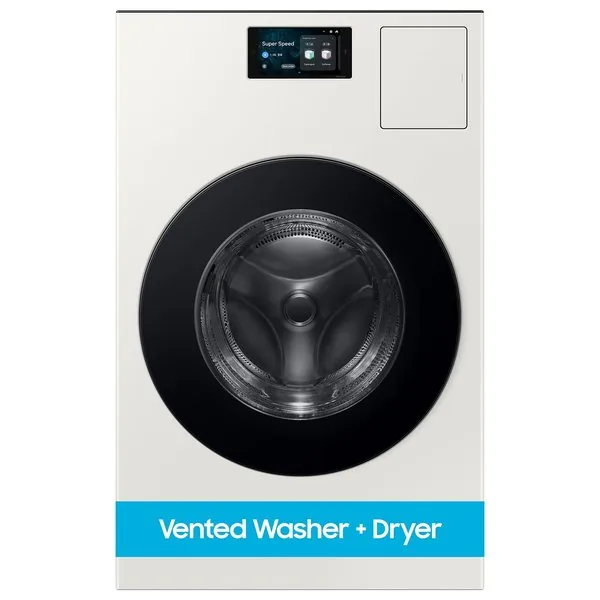
A vented combo pushes hot, damp air out through a duct, and a ventless one does not need a duct at all. Heat-pump combos reuse hot air at a lower temperature, so no vent is needed, and drying is much slower. ENERGY STAR says heat-pump dryers use at least 28% less energy than a standard dryer. Four of our five combos are ventless. The Samsung WD90F53AVY is the vented one.
Q.10Is a laundry tower better than stacking a separate washer and dryer?
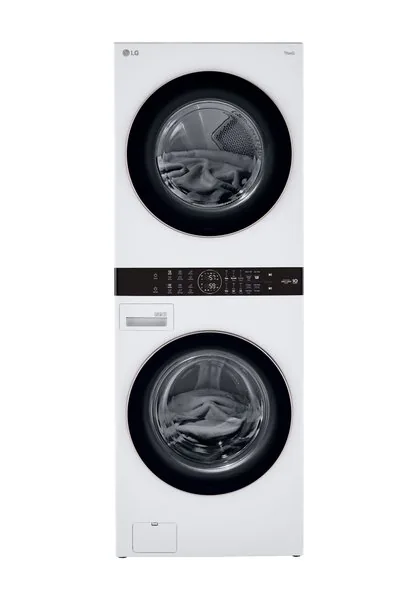
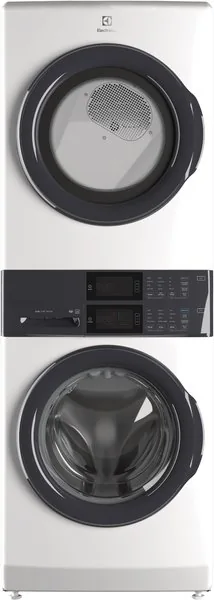
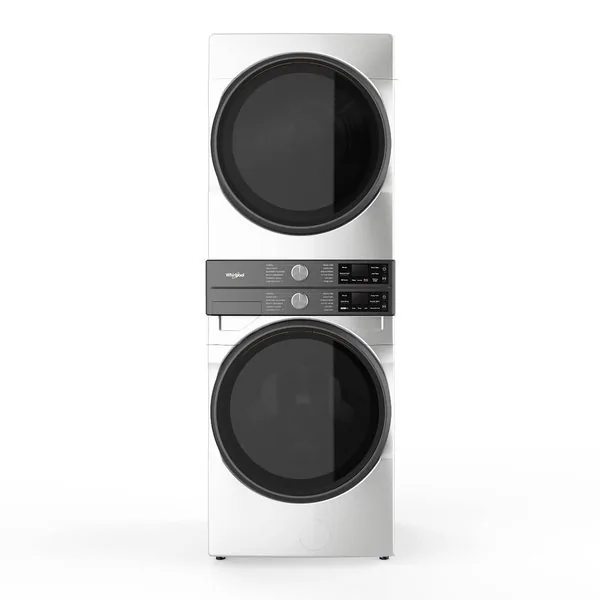
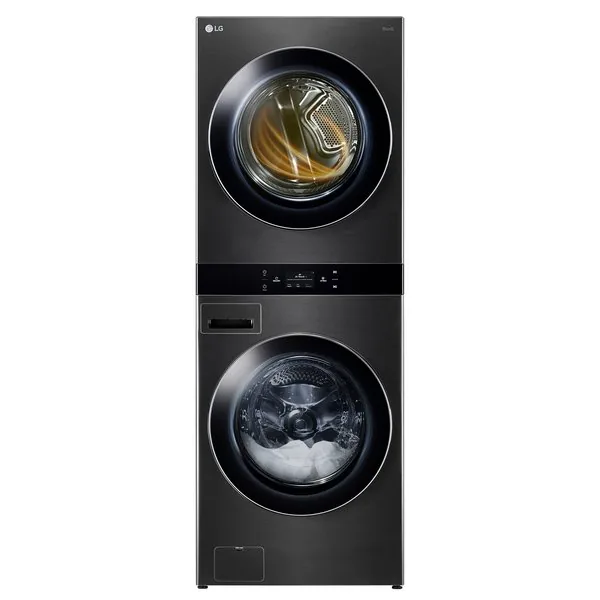
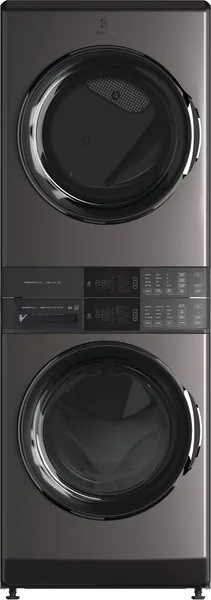
A tower is better when space and installation are the limit, and a separate pair is better when you want to choose each machine on its own. The LG WKE100HWA is a single stacked unit with one hookup, aimed at closets and tight laundry rooms. A separate pair lets you match any stackable washer, such as the LG WM3420CW, with a dryer of your choosing and replace one without touching the other. A tower is one product from one brand.
Q.11Do I need a pedestal?
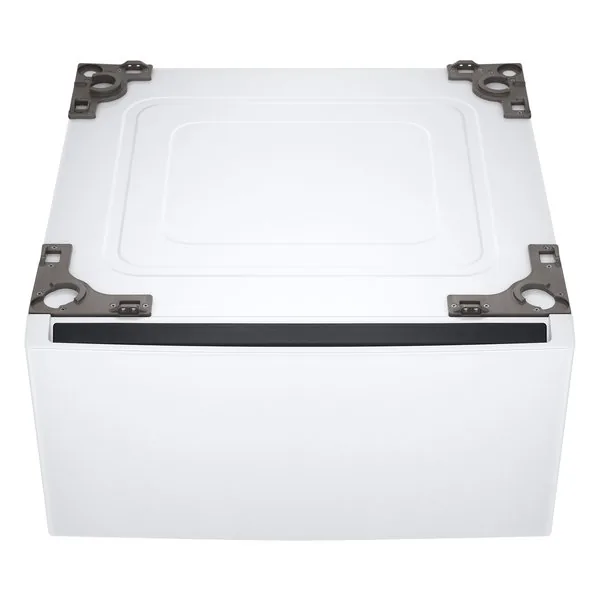
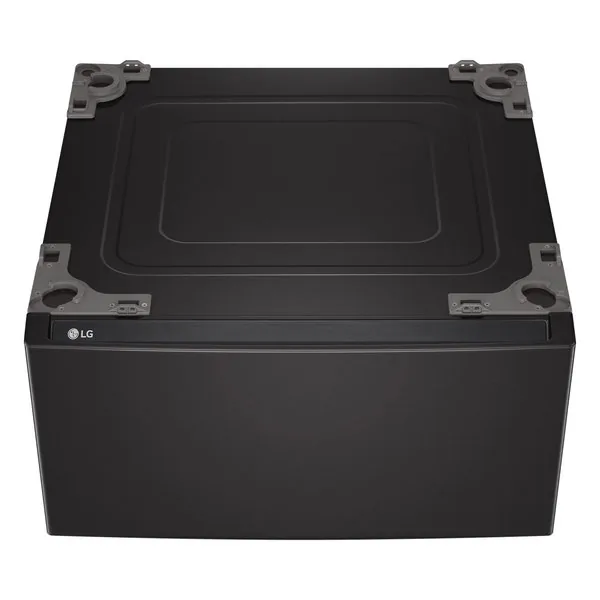
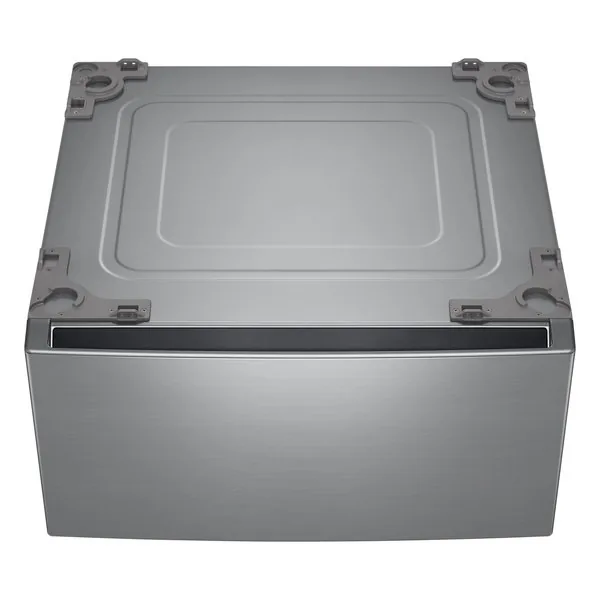
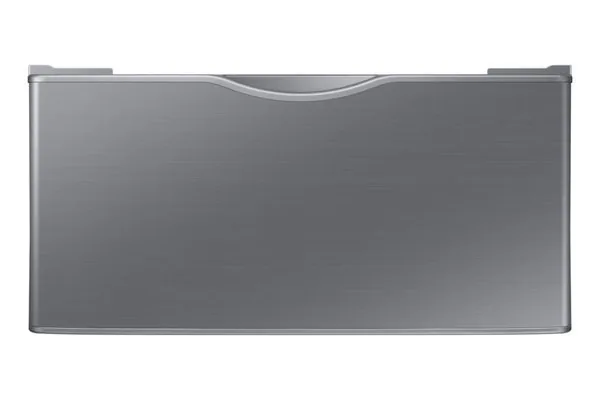
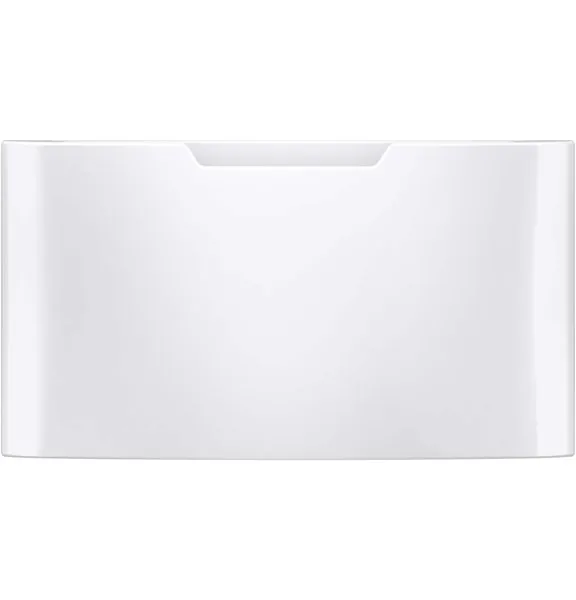
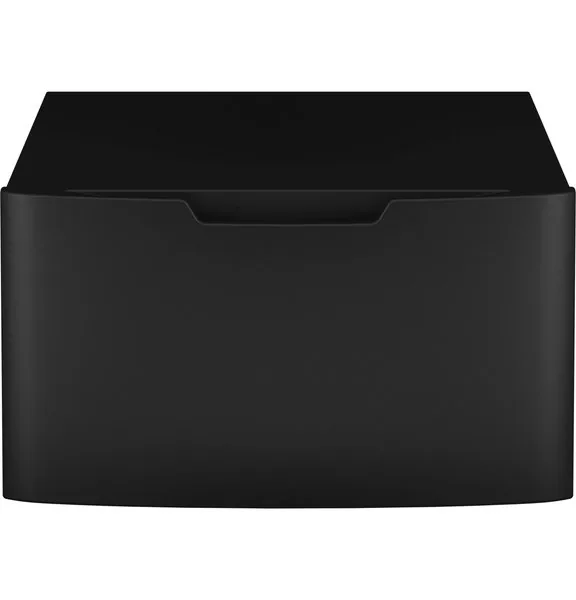
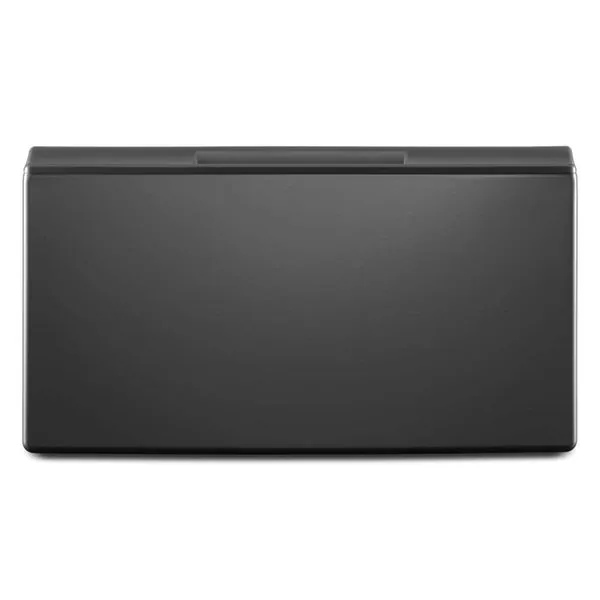
No. A pedestal is optional: it raises the washer off the floor, so loading and unloading takes less stooping. It does nothing for the wash itself, and it is an extra purchase on top of the machine. Pedestals are made for a brand's own washers, so check that the listing names your model line before you order. The ones we list cover LG, Samsung, GE, Electrolux and Whirlpool. A laundry tower is a single stacked unit, so the pedestal question applies to a separate washer.
Q.12Is a smart or Wi-Fi washer worth it?
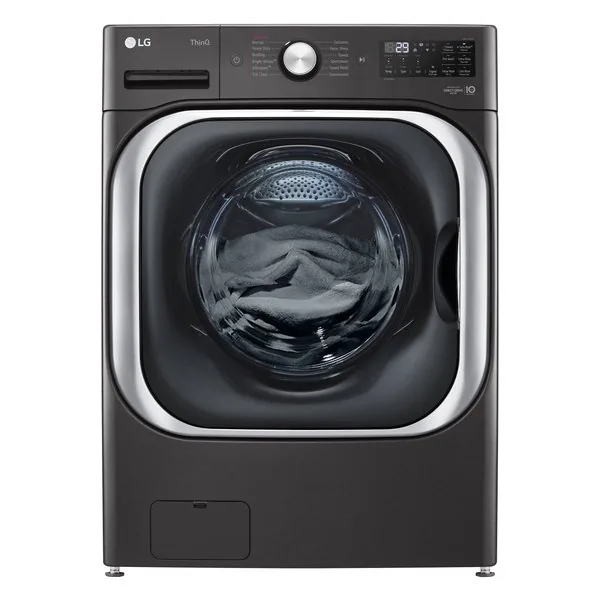
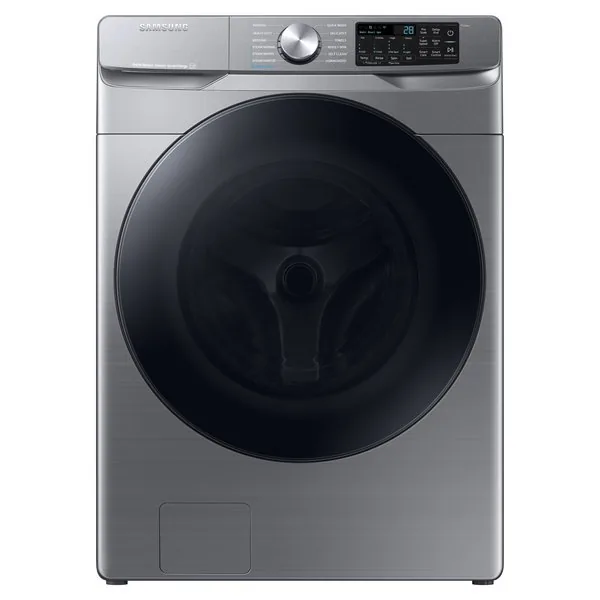
Only if you will use the connection. A smart washer adds a Wi-Fi feature, not a better wash. None of the published figures we rely on is split by whether a washer is smart; the differences they report are by washer type. The LG WM4000HWA and the Samsung WF45B6300AP are listed as smart, while the LG WM3420CW has no smart feature listed and is ENERGY STAR certified. Decide on door type and capacity first.