Q.01Gas or electric dryer: which should I buy?
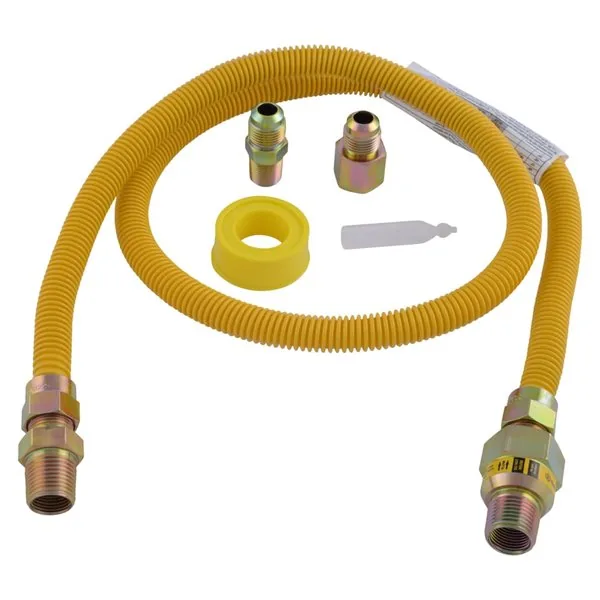
Match the dryer to the hookups you already have. A gas dryer needs a gas line and a regular 120 V outlet; an electric one needs a 240 V outlet, and the cord is usually bought separately. Consumer Reports says gas is generally cheaper to run because natural gas costs less than electricity per unit of heat, but how much depends on your utility rates. If the gas line is already in the wall, choose gas. If it is not, choose electric.
Q.02Vented or ventless dryer: what is the difference?
A vented dryer pushes moist air outside through a duct, and a ventless dryer keeps the air inside the machine. Condenser models cool the damp air so the water collects in a reservoir or drains away. Heat pump models recycle the hot air and pull moisture out with a heat exchanger. Neither needs a vent, which makes ventless the answer when you have no wall to the outside. Ventless dryers still need their lint filter cleaned, and the manual will say how often to clean the condenser or heat exchanger.
Q.03Is a heat-pump dryer worth it?
It is worth it when you cannot vent a dryer, or when you dry often and want the lowest running cost. ENERGY STAR says heat pump dryers use about 70% less energy than a conventional dryer and that all certified ones qualify as Most Efficient. Expect longer cycles in return. If speed matters more than the bill, a standard vented dryer is the simpler buy.
Q.04How often should I clean the dryer vent?
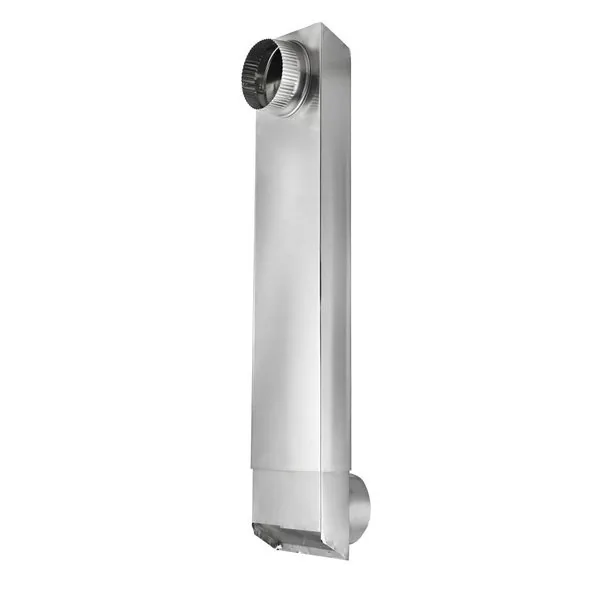
At least once a year, and the lint screen after every load. Your dryer's installation instructions set the schedule for the exhaust system, and yearly is the floor we would use. If you use dryer sheets, scrub the screen monthly, because the residue cuts airflow. The U.S. Fire Administration estimated, for 2008 to 2010, about 2,900 dryer fires a year, a third of them traced to failure to clean.
Q.05Why does my dryer take so long to dry?
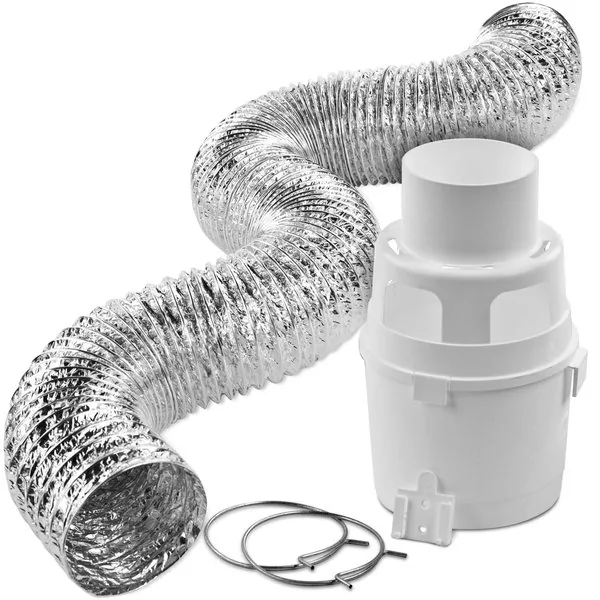
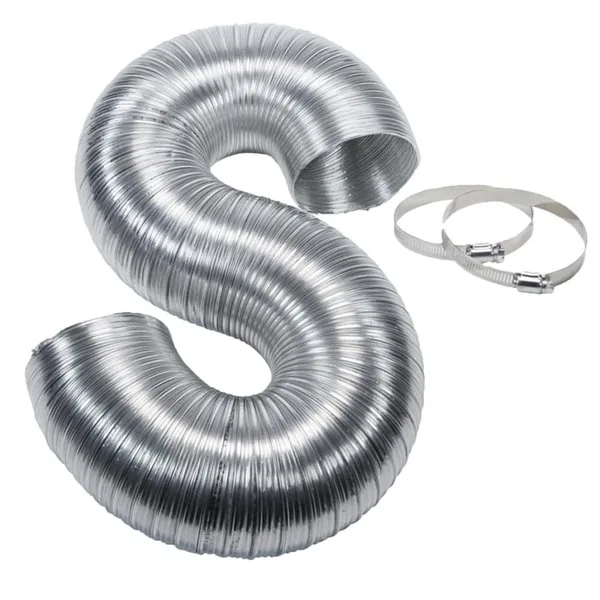
Check the airflow first. A clogged vent is the first thing to rule out, and a blocked vent is also what overheats and blows the thermal fuse, so clear it before you pay for a new fuse. Clean the lint filter, and scrub the screen if you use dryer sheets, since the residue cuts airflow. Whirlpool says to make sure the exhaust hood is not plugged. Plastic or foil accordion duct can also restrict air. A new dryer will not fix a blocked vent.
Q.06How long should a dryer last, and when do I replace it?
About a decade. Consumer Reports puts a dryer's expected life at roughly 10 years. There is no reliable percentage rule for repair against replace. Weigh the quote against the machine's age and what a new one costs. If the dryer runs but does not heat, the thermal fuse is a common culprit, usually after a clogged vent. Clear the vent first, or the new fuse will blow again.
Q.07What size dryer do I need for my washer?
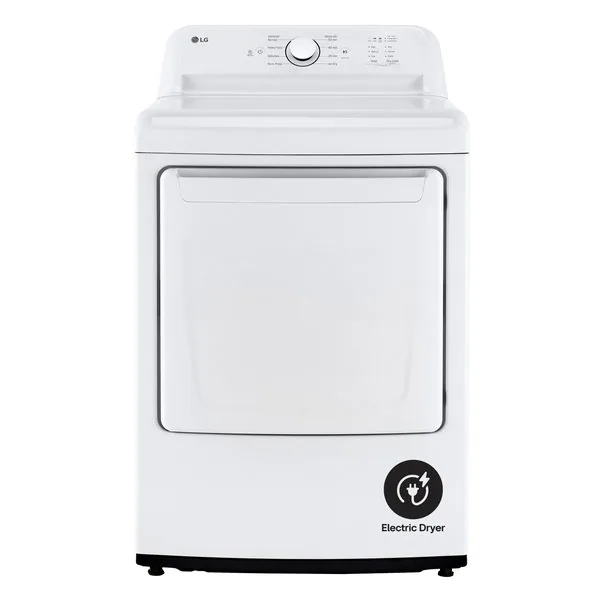
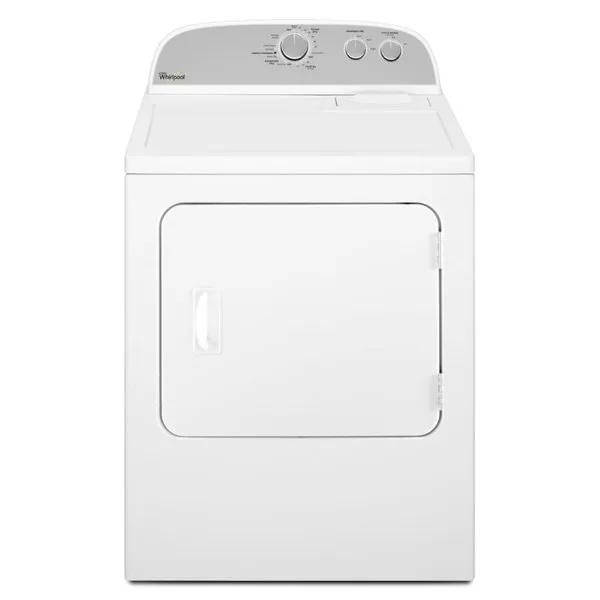
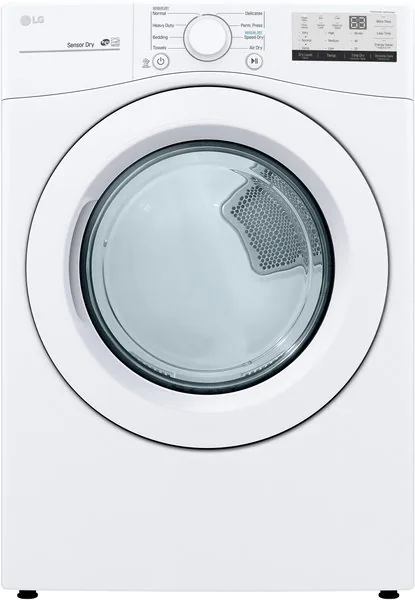
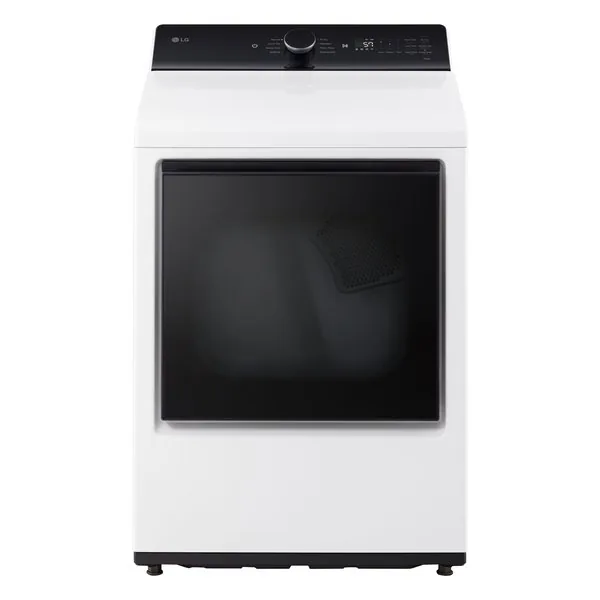
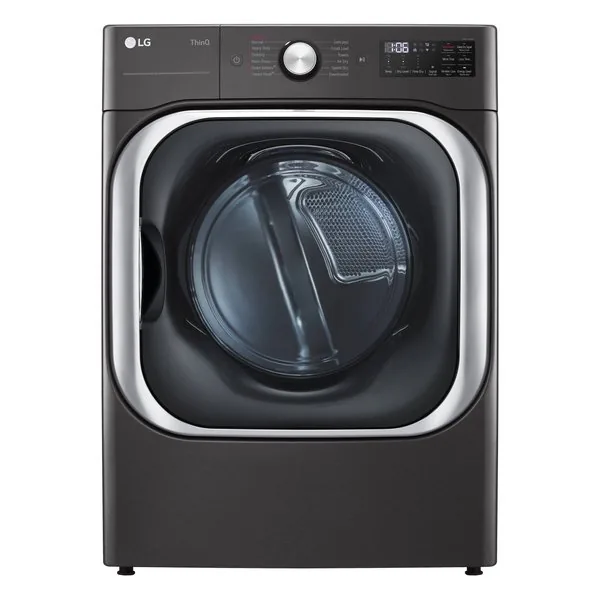
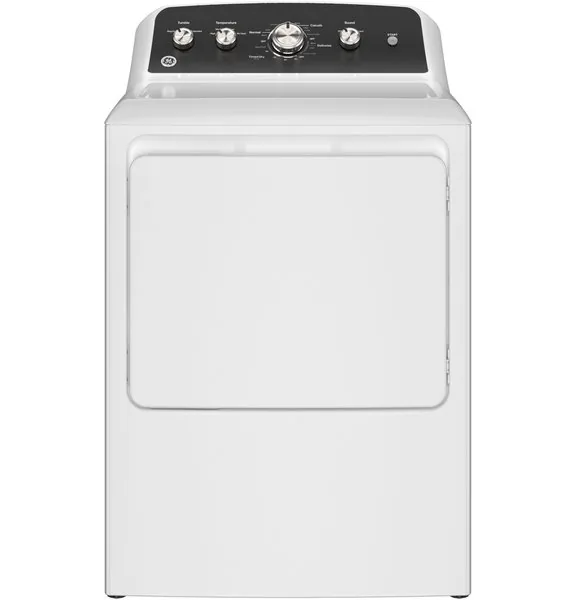
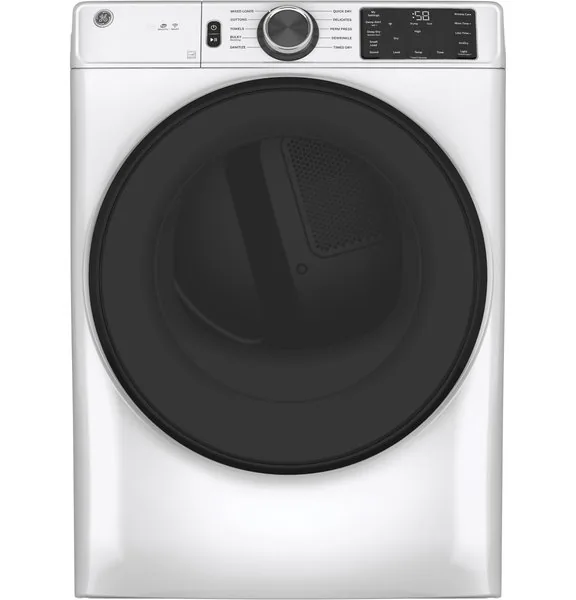
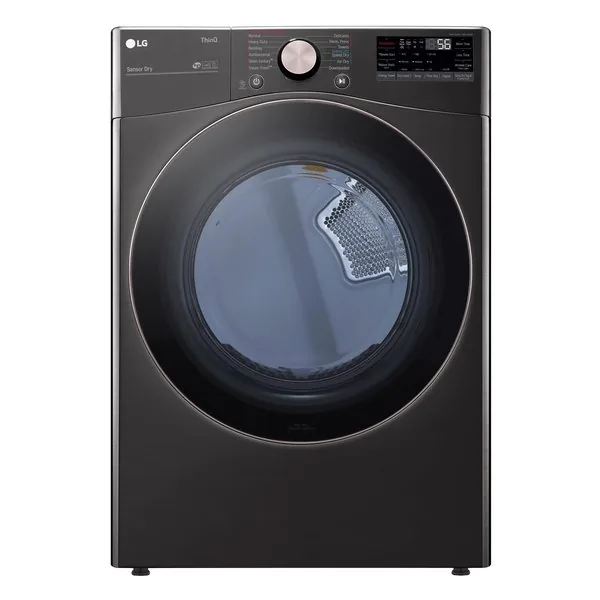
Look at your washer's capacity first, then pick a dryer at least as large. The usual rule of thumb is a dryer bigger than the washer, because clothes need room to tumble and air needs to move. For reference, the LG DLE3400W is 7.4 cu ft, the Whirlpool WED4815EW is 7 cu ft, and the LG DLEX8900B is 9 cu ft. Measure the doorway and the spot before you order.
Q.08Can I stack a dryer on a washer?
Only if both machines are made to stack, and you will need the maker's stacking kit, which is usually sold separately. Whirlpool says the same, so check your washer's model line before you buy a dryer. The LG DLE3400W, LG DLG3401W and LG DLEX8900B are listed as stackable. Stacking saves floor space, and the dryer ends up at chest height, so loading takes more reach. Check the manual for the washer's weight limit.
Q.09Do I need a 240 V outlet, and which cord: 3-prong or 4-prong?
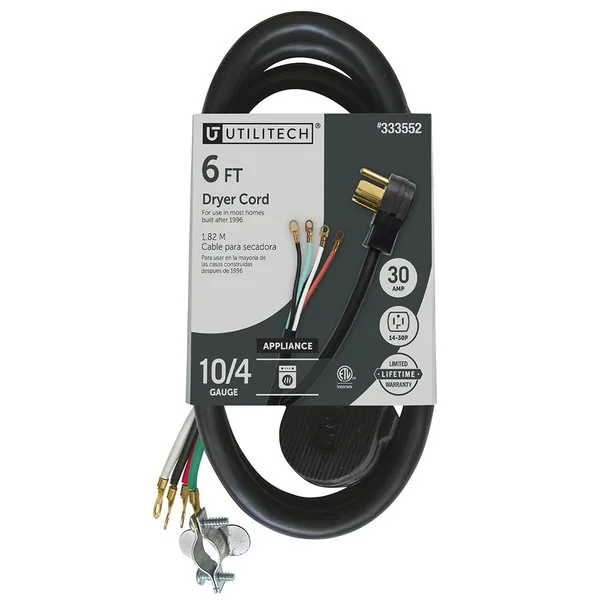
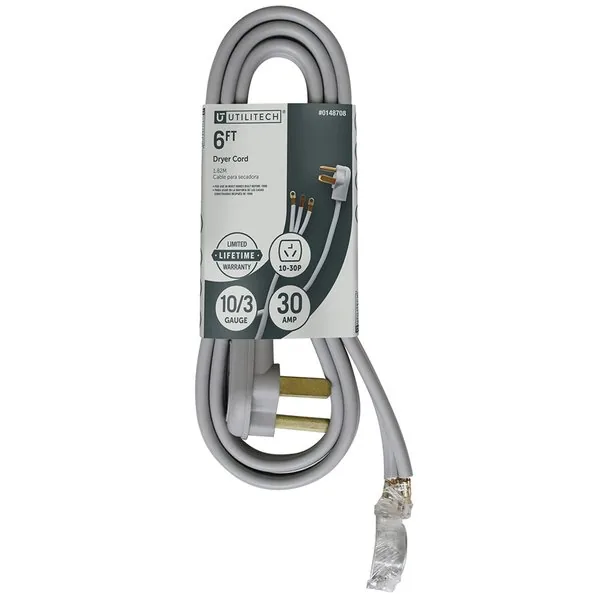
An electric dryer needs a 240 V outlet; a gas dryer runs on a regular 120 V outlet plus the gas line. LG's support page says the electric dryer's cord is bought separately, because homes have two outlet types. Older ones are 3-prong and newer ones 4-prong, and the cord has to match the outlet. Look at your outlet before you order, and call an electrician if it is the wrong type or you are unsure. We list a 3-prong and a 4-prong cord.
Q.10Sensor dry or timed dry?
Choose sensor dry. A sensor dryer stops when the load is dry, and a timed cycle runs for the minutes you set whether it needs them or not. ENERGY STAR says certified dryers use automatic termination, a sensor that detects dry clothes, which prevents over-drying and saves energy. Timed dry still has a use for a single wet item. The LG DLE6100W and LG DLG3401W are both listed with sensor dry.
Q.11Should I get a washer-dryer combo instead?
Only if you have no room or no vent for a separate dryer. A combo washes and dries in one drum, so the next load waits for the dry to finish, and Consumer Reports' buying guide calls combo drying times exceedingly long. Our washing machines guide covers combos, including which are ventless and what you trade for the space. For most homes with room for two machines, a separate washer and dryer is the faster setup.